Wireless Camera Mounting Considerations for Perth Homes
Table Of Contents
Mounting Techniques for Wireless Cameras
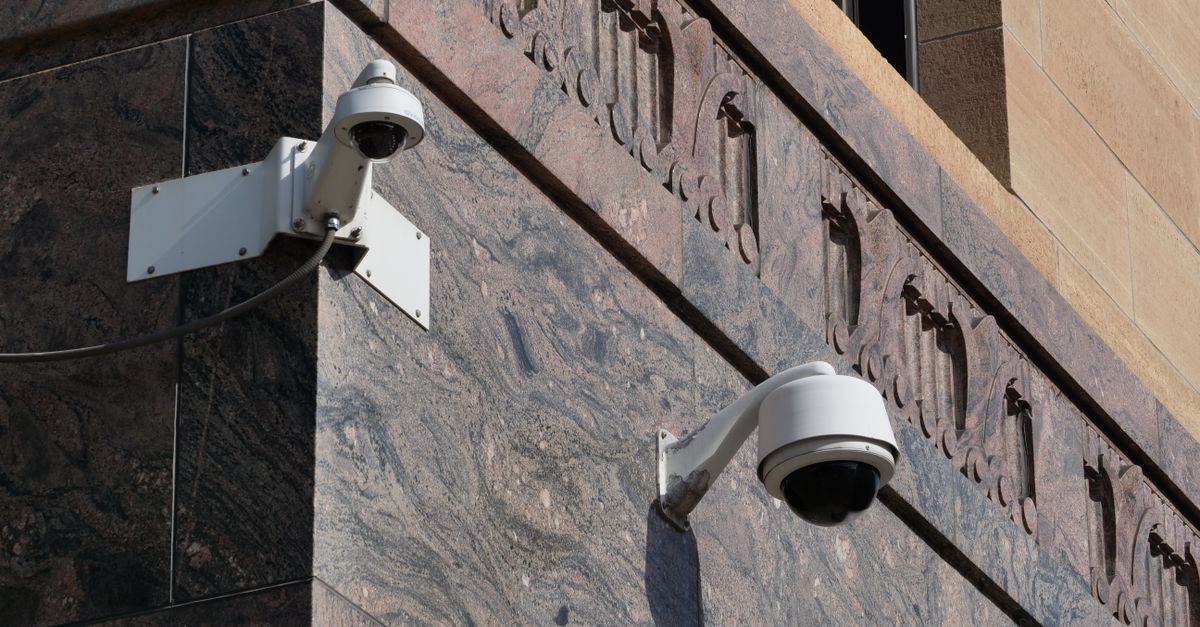
When installing wireless cameras, selecting the appropriate mounting technique is vital to ensure optimal functionality and coverage. Wall mounting is commonly preferred for exterior surveillance, allowing for a direct line of sight towards potential intruders and enabling easier cable management. This technique also provides flexibility in positioning, catering to various angles and heights to capture key areas around the property.
Ceiling mounting serves as an alternative, particularly useful in indoor environments or under eaves for outdoor installations. This method can help eliminate blind spots and decrease the risk of tampering, as cameras positioned higher are less accessible. Both techniques require careful consideration of the camera's field of view to ensure that it effectively monitors the intended area without obstruction.
Wall Mounting vs. Ceiling Mounting
Understanding the differences between wall and ceiling mounting is essential when installing wireless cameras in your home. Wall mounting typically provides a more straightforward installation and can offer clearer horizontal views. It is beneficial for capturing areas like driveways or entryways. Elevating cameras on walls can also deter tampering, making it a practical choice for many residential settings.
On the other hand, ceiling mounting offers a unique advantage by allowing a broader field of view. This placement can reduce blind spots and capture more of the surroundings, especially in larger spaces. Moreover, ceiling-mounted cameras are less likely to be obstructed by furniture or people, enhancing surveillance effectiveness. Each method has its unique merits, and selecting the right option depends on specific monitoring needs and environmental factors.
Weather Considerations for Outdoor Installations
When selecting a location for outdoor wireless camera installations, it is crucial to consider the weather conditions prevalent in Perth. Harsh sunlight during the summer months can cause overheating in electronic devices, potentially leading to malfunctions or reduced performance. On the other hand, heavy rain and strong winds can also pose risks. Ensuring that cameras are positioned in places that provide some natural cover can mitigate these risks and enhance durability.
Choosing the right mounting hardware is equally essential for outdoor setups. Anti-corrosion materials should be used to withstand rust from moisture. Additionally, the use of weatherproof grommets and seals can prevent water ingress. Regular maintenance checks will help ensure the cameras remain fully operational despite environmental challenges. Proper installation not only extends the lifespan of the equipment but also maintains optimal functionality in various weather conditions.
Choosing Weather-Resistant Models
When selecting wireless cameras for outdoor use, prioritising weather-resistant models is essential. These cameras often come with an IP (Ingress Protection) rating, indicating their level of protection against dust and moisture. A model rated IP65 or higher can withstand harsh weather conditions, making it suitable for Perth’s varying climate, which includes intense heat and occasional storms. Additionally, look for features like UV-resistant housings to prevent damage from prolonged sun exposure.
It's also important to consider the materials used in the camera's construction. High-quality plastic or metal enclosures typically offer better durability against environmental factors. Some models are equipped with heaters for colder periods or ventilation systems to reduce the impact of humidity. Investing in a reliable weather-resistant camera ensures longevity and performance, providing peace of mind for homeowners who wish to maintain effective surveillance year-round.
Local Regulations on Surveillance Cameras
In Perth, installing surveillance cameras comes with specific legal obligations that homeowners must consider. Individuals should be aware of privacy regulations that govern the use of such devices. Cameras placed in locations where they may capture footage of public spaces typically require careful consideration to avoid infringing on others' privacy rights. It is essential to understand that continuous recording of public areas may lead to potential legal issues, emphasising the need for responsible placement.
Local authorities provide guidelines detailing necessary approvals and reporting for specific installations, especially in shared living environments like apartment complexes or townhouses. Homeowners should consult the local council or relevant governing bodies to ensure compliance with zoning laws and privacy regulations. Familiarising oneself with these requirements can help mitigate the risk of disputes with neighbours while ensuring the benefits of security monitoring are maximised within legal confines.
Compliance with Privacy Laws in Perth
Installing wireless surveillance cameras requires careful consideration of local laws to ensure compliance with privacy regulations. Under Australian law, particularly in Western Australia, surveillance activities must respect the privacy of individuals. It is essential to avoid capturing footage of public areas where there is a reasonable expectation of privacy, such as private backyards or homes of neighbours.
Individuals should also be aware of the Australian Privacy Principles (APPs), which govern the handling of personal information. Cameras must be suitably positioned to avoid intruding on private spaces. Clear signage indicating the presence of surveillance cameras can help inform the public about monitoring activities, thereby promoting transparency and trust within the community. Consideration of these factors fosters a responsible approach to surveillance, aligning with both legal and ethical standards.
FAQS
What are the best mounting techniques for wireless cameras in Perth homes?
The best mounting techniques include wall mounting and ceiling mounting, each offering unique advantages such as optimal angles and coverage. It's essential to choose a method that suits your specific surveillance needs.
Is wall mounting or ceiling mounting better for wireless cameras?
The choice between wall mounting and ceiling mounting depends on your surveillance goals. Wall mounting is ideal for monitoring entrances or driveways, while ceiling mounting provides a broader view of larger areas, such as backyards.
What weather considerations should I take into account for outdoor camera installations?
When installing outdoor cameras in Perth, consider factors such as rain, humidity, and temperature variations. It's essential to select a camera that can withstand these conditions to ensure reliable performance.
How do I choose weather-resistant models for outdoor surveillance cameras?
Look for cameras with a high IP rating, which indicates their resistance to dust and water. Additionally, choose models specifically designed for outdoor use, as they typically come with durable enclosures and weatherproof features.
Are there local regulations regarding the installation of surveillance cameras in Perth?
Yes, there are local regulations concerning the installation of surveillance cameras in Perth. It's important to comply with privacy laws and ensure that your camera setup does not infringe on the privacy of others, particularly in shared spaces.
Related Links
Importance of Angle and Direction in CCTV Camera MountingEvaluating Mounting Options for C-Mount Cameras
PTZ Camera Mounting Techniques for Versatile Surveillance
Mounting Bullet Cameras for Enhanced Security
Considerations for Outdoor CCTV Camera Placement in Australia