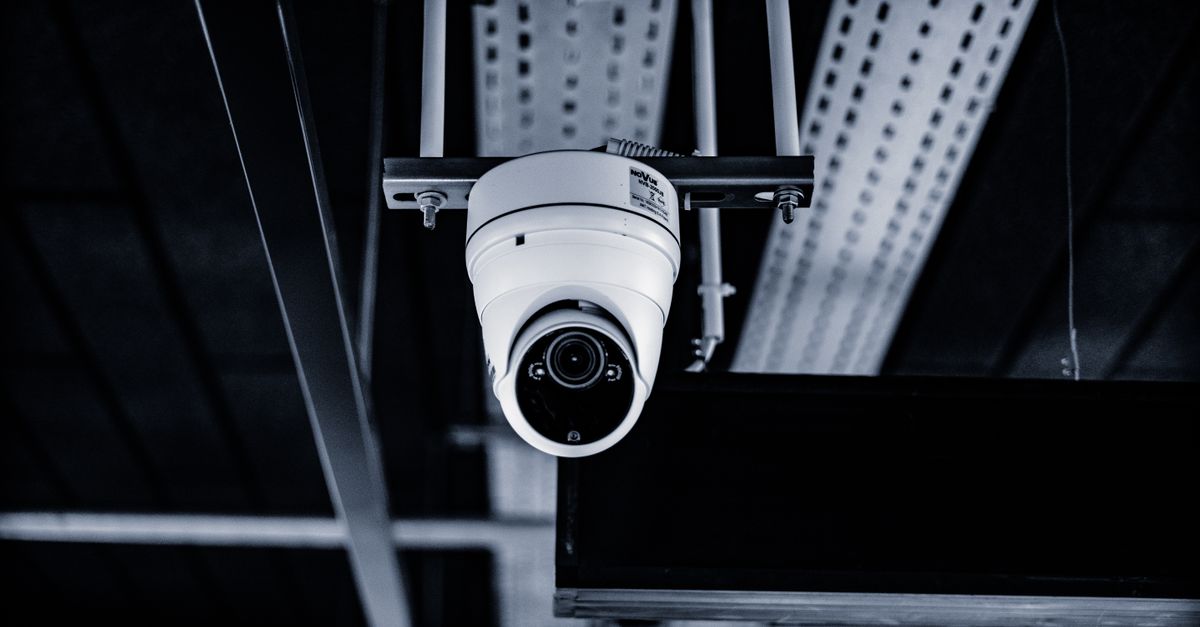
Importance of Angle and Direction in CCTV Camera Mounting
Table Of Contents
The Impact of Height on Viewability
The mounting height of a CCTV camera plays a critical role in the clarity and coverage of the surveillance feed. Cameras positioned too high may capture expansive views but often sacrifice detail. Conversely, those set too low might provide detailed images of a smaller area, potentially missing vital coverage of larger scenes. Finding the right balance ensures that important features of the environment are within the camera's sightlines.
Height not only affects viewability but also influences the angle from which footage is captured. Elevated cameras can better overcome obstructions and achieve a more comprehensive perspective of activity below. However, the optimal height varies depending on the intended purpose of the surveillance. For example, monitoring entrances might require a different height than monitoring expansive outdoor areas, illustrating the need for careful consideration in camera placement.
Determining the Ideal Mounting Height
The ideal mounting height for CCTV cameras directly influences their effectiveness in capturing clear, detailed images. Typically, cameras should be installed between 2.4 to 3.0 metres above ground level. This height range ensures a broad coverage area, optimising both the field of vision and the ability to capture identifiable features such as faces or vehicle registrations. However, the specific environment and purpose of surveillance may necessitate variations in this standard height.
Considerations such as the type of area being monitored play a crucial role in determining the suitable height. For instance, retail spaces may require cameras mounted higher to prevent tampering, while residential areas might benefit from slightly lower installations to enhance image quality. Proper height assessment can also aid in minimizing blind spots and ensuring effective monitoring across different conditions, especially during low-light situations. A tailored approach promotes both security and usability, making it easier for operators to respond to incidents swiftly.
Adjusting for Environmental Obstacles
Environmental factors can significantly hinder the effectiveness of CCTV systems. Elements like trees, buildings, and weather conditions can obstruct the intended coverage, creating blind spots. Strategically placing cameras at an elevated height can help to mitigate some of these issues. This positioning often allows for clearer views and reduces the likelihood of being blocked by nearby objects.
Adjustments might also be necessary to respond to changing environments. Seasonal variations can affect visibility; for instance, foliage in summer may obscure views that were clear in winter. Regular assessments of the camera’s field of view can inform necessary repositioning. Ensuring optimal coverage in areas susceptible to environmental changes will enhance security and surveillance efficiency.
Overcoming Challenges in Diverse Settings
Environmental factors can significantly impact the effectiveness of CCTV systems. In urban areas, buildings may obstruct the line of sight, requiring careful planning to ensure an unobstructed view of critical areas. Adjusting the mounting location or angle can often mitigate these challenges. In rural settings, natural obstacles like trees and hills present similar issues. Selecting a strategic position that maximises visibility while minimising interference is crucial.
Lighting conditions also play a vital role in surveillance effectiveness. Cameras mounted in areas with extreme lighting variations, such as entrances near bright streetlights or areas with heavy shadows, may struggle to capture clear images. Utilizing cameras with advanced low-light capabilities or high dynamic range features can alleviate some of these issues. Properly assessing the surrounding environment and implementing these technologies can enhance the CCTV system's overall performance, ensuring comprehensive monitoring regardless of the challenges presented.
Technologies Enhancing Angle and Direction
Advancements in technology have transformed the way CCTV cameras capture and monitor environments. Many modern systems now feature motorised tilting and panning capabilities. These allow operators to adjust the angle and direction of the camera remotely, ensuring optimal coverage of an area. Users can respond to events in real-time by redirecting the camera without physically repositioning the unit, which enhances surveillance effectiveness.
In addition, some CCTV cameras come equipped with sophisticated software that utilises artificial intelligence to analyse video feeds. This technology can automatically adjust angles to focus on moving objects or areas with heightened activity. Such innovations significantly improve security monitoring by providing clearer images and reducing blind spots, ultimately leading to more comprehensive surveillance solutions.
Innovative Features in Modern CCTV Systems
The latest advancements in CCTV technology have introduced features that significantly enhance surveillance capabilities. Many modern systems now include pan-tilt-zoom (PTZ) functionalities, allowing users to adjust the camera's angle and zoom in on specific areas in real time. This flexibility is crucial in dynamic environments where potential threats can emerge from various directions. Additionally, intelligent video analytics can identify unusual patterns or movements, alerting operators to potential security breaches without the need for constant monitoring.
Integration with smart home and business systems has also transformed how these cameras operate. Real-time notifications can be sent directly to smartphones, enabling immediate responses to disturbances. Some devices feature built-in artificial intelligence, capable of discerning between normal activity and potential threats based on predefined parameters. These innovative enhancements not only provide higher quality footage but also improve overall situational awareness, making surveillance more proactive than ever before.
FAQS
Why is the angle of a CCTV camera important?
The angle of a CCTV camera is crucial because it determines the field of view and the area that can be monitored. An optimal angle can help capture more details and reduce blind spots.
What is the ideal height for mounting a CCTV camera?
The ideal height for mounting a CCTV camera typically ranges from 2.5 to 3.5 metres, as this height balances visibility while reducing the risk of tampering.
How can environmental obstacles affect CCTV camera performance?
Environmental obstacles, such as trees, buildings, or signage, can block the camera's view, potentially creating blind spots. It's important to assess the surroundings and adjust the camera placement accordingly.
What technology can improve the angle and direction of CCTV cameras?
Modern CCTV systems often come equipped with advanced features such as pan-tilt-zoom (PTZ) functionality and smart analytics, which allow users to adjust the angle and direction remotely and optimise surveillance coverage.
How can I overcome mounting challenges in diverse settings?
To overcome mounting challenges in diverse settings, assess the specific environment for potential obstacles and consider using adjustable mounts or camera systems with flexible positioning capabilities to ensure optimal surveillance coverage.
Related Links
Wireless Camera Mounting Considerations for Perth HomesOptimal Mounting Heights for CCTV Cameras in Perth
Evaluating Mounting Options for C-Mount Cameras
PTZ Camera Mounting Techniques for Versatile Surveillance
Mounting Bullet Cameras for Enhanced Security
Considerations for Outdoor CCTV Camera Placement in Australia
Indoor Mounting Solutions for Maximum Coverage