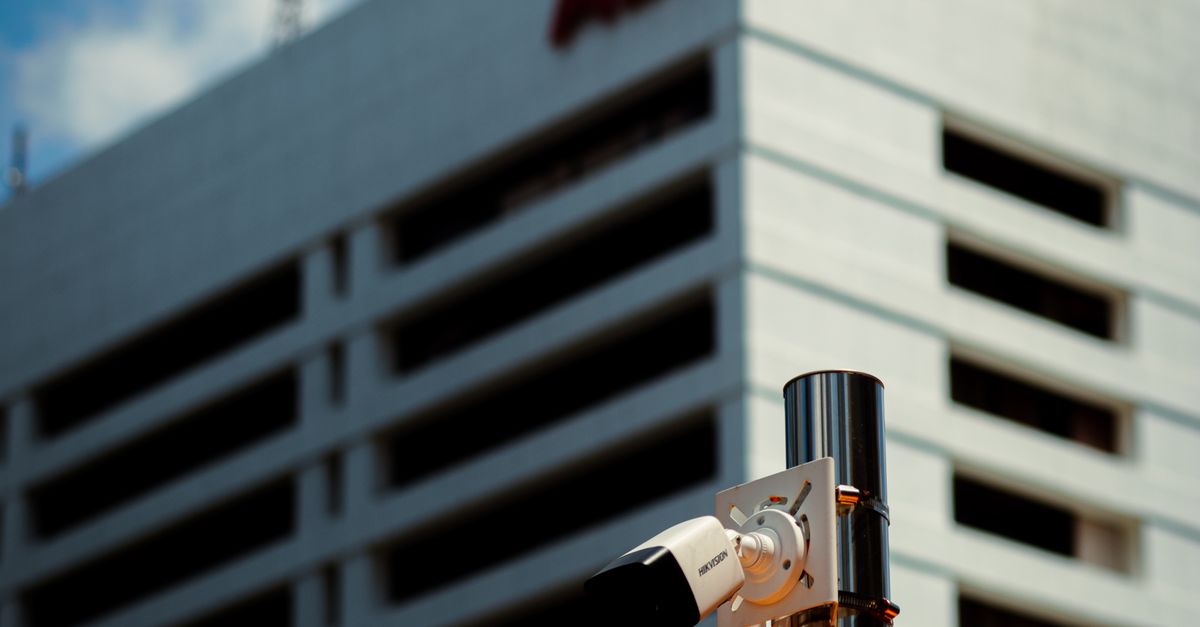
Mounting Bullet Cameras for Enhanced Security
Table Of Contents
Adjusting the Angle of Bullet Cameras
Choosing the right angle for bullet cameras is vital for capturing clear footage and ensuring optimal coverage. Start by identifying the areas of interest, such as entry points or blind spots. Position the camera at a height that is difficult for potential intruders to tamper with while still allowing a broad view of the designated area. A downward angle can help minimise issues with lighting glare, which often impacts picture quality, especially during peak daylight hours.
Adjustments should be made during installation to avoid missed opportunities for capturing crucial moments. Once the camera is mounted, test its field of view by reviewing live footage from various angles. This step ensures the camera is aligned correctly with the intended focus areas. Utilize the camera's built-in adjustments, such as pan and tilt features, to fine-tune angles before securing them permanently. Regular assessments after installation can further optimise surveillance effectiveness, adapting to any changes in the environment or security needs.
Tips for Achieving the Perfect View
When positioning bullet cameras, consider the specific area you want to monitor. Ensure the lens points at the entrance or target zone to capture any movements clearly. A higher placement often provides a broader view but may compromise detail; striking a balance between height and angle is crucial. Mounting cameras near corners can also enhance visibility, capturing multiple sides simultaneously while limiting blind spots.
Adjusting the tilt and pan of the camera can dramatically affect the quality of footage. Perform test recordings from various angles to identify optimal settings. Be mindful of obstructions such as trees, poles, or building elements that may hinder the field of view. Regular adjustments may be necessary due to changes in the environment or lighting, ensuring consistent coverage and clarity throughout the day and night.
Maintaining Bullet Cameras for Longevity
Regular maintenance is vital to ensure the longevity of bullet cameras. Dust accumulation on the exterior can hinder the lens and infrared sensors. Cleaning the camera housing and lens periodically with a soft, lint-free cloth will help maintain clarity. Additionally, checking for any physical damage after extreme weather events is recommended. This assures that the equipment remains functional and that replacements can be made when necessary.
Routine checks of the camera's functionality are also essential. Users should verify that all connections are secure and inspect cables for signs of wear. Performing firmware updates keeps the system running smoothly and enhances security features. It is advisable to establish a schedule for these maintenance tasks. Doing so can prevent minor issues from becoming significant problems, ensuring that the surveillance system operates efficiently for years to come.
Routine Checks and Cleaning Procedures
Regular inspections of bullet cameras are essential for ensuring proper functionality. Start by checking the camera lens for dirt, dust, or debris that may obstruct the view. Any obstruction can significantly impact image quality. Look for signs of physical damage to both the camera and its mounting hardware. This keeps the device safe and helps avoid sudden malfunctions.
Routine cleaning is straightforward and requires minimal tools. Use a soft, lint-free cloth to gently wipe down the camera lens and housing. Avoid using harsh chemicals as they may damage the camera's surface. Additionally, verify that all connections and cables are secure, preventing any power interruptions. Incorporating these practices into a scheduled maintenance plan will help extend the lifespan of your surveillance system.
Integrating Bullet Cameras with Other Security Systems
Combining bullet cameras with other security systems can significantly boost overall protection. When integrated with motion detectors, these cameras provide immediate video feedback whenever movement is detected. This synergy not only enhances surveillance capabilities but also creates a more proactive security environment. Furthermore, linking bullet cameras with alarms allows for instant notifications to the property owner or security personnel in case of an intrusion.
Utilising smart technology can further optimise these integrations. Smart home systems can enable remote access to camera feeds, allowing users to monitor their property from anywhere. Incorporating features like two-way audio also allows for interaction with visitors or potential intruders. This interconnectedness promotes a comprehensive security strategy, ensuring that every aspect of surveillance is covered efficiently.
Enhancing Overall Security with Smart Technology
The integration of bullet cameras with smart technology has revolutionised the landscape of security systems. These cameras can now not only capture high-definition footage but also communicate with various devices within a smart home ecosystem. When connected with smart alarms or motion sensors, bullet cameras can provide immediate alerts to homeowners, ensuring prompt responses to potential threats. The ability to access live feeds through mobile applications allows users to monitor their property in real-time, no matter where they are.
Furthermore, advanced features such as facial recognition and motion tracking enhance the functionality of bullet cameras significantly. These technologies enable systems to distinguish between known individuals and strangers, reducing false alarms. Moreover, when integrated with smart lighting systems, bullet cameras can trigger lights upon detecting movement, further deterring intruders. This synergy between bullet cameras and smart technology not only amplifies security measures but also offers peace of mind to homeowners.
FAQS
What is the best angle to mount a bullet camera for optimal surveillance?
The best angle for mounting a bullet camera typically involves positioning it slightly downwards to capture a broader view while ensuring it’s not obstructed by objects. Aiming for a height of 2.5 to 3 metres above ground level can also help in achieving an effective field of vision.
How often should I clean my bullet cameras?
It is advisable to clean your bullet cameras at least once every month. However, if you live in a dusty environment or near the ocean, more frequent cleaning may be necessary to ensure clear imagery.
Can I integrate bullet cameras with my existing security system?
Yes, bullet cameras can often be integrated with existing security systems. Check the compatibility of the cameras with your current setup and consider using a central hub or software that supports multiple camera types to streamline the process.
Are bullet cameras weatherproof?
Most bullet cameras are designed to be weatherproof or weather-resistant, making them suitable for outdoor use. However, it's essential to check the manufacturer's specifications to ensure they can withstand local weather conditions.
What are the benefits of using smart technology with bullet cameras?
Integrating bullet cameras with smart technology can enhance overall security by allowing remote access, motion detection alerts, and seamless integration with other smart devices, enabling you to monitor your property more effectively from anywhere.
Related Links
PTZ Camera Mounting Techniques for Versatile SurveillanceConsiderations for Outdoor CCTV Camera Placement in Australia
Importance of Angle and Direction in CCTV Camera Mounting
Wireless Camera Mounting Considerations for Perth Homes
Evaluating Mounting Options for C-Mount Cameras
Indoor Mounting Solutions for Maximum Coverage
Best Practices for Securely Mounting dome Cameras