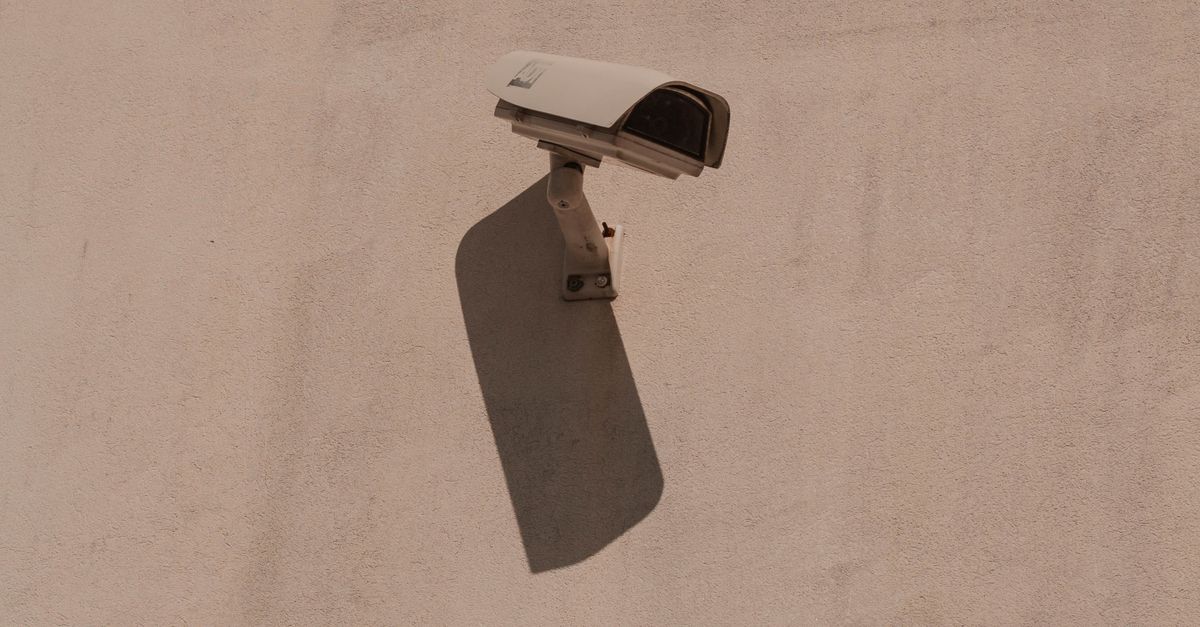
Signs It’s Time to Upgrade Your Outdated CCTV Cameras
Table Of Contents
Ineffective Night Vision
A CCTV system with poor night vision capabilities can significantly compromise the effectiveness of security surveillance. Traditional cameras may struggle to capture clear images in low-light conditions, leaving blind spots that intruders can exploit. The inability to discern details at night poses a substantial risk, especially for properties that experience most incidents after dark.
Upgrading to advanced low-light cameras can greatly enhance visibility in low-light environments. Modern technology allows for improved image clarity, even in complete darkness. Enhanced infrared capabilities enable these cameras to record high-quality footage, ensuring that both security measures and potential evidence are reliable and effective at any time of day.
Upgrading to Advanced Low-light Cameras
When assessing the performance of your CCTV system, consider how it handles low-light conditions. Standard cameras often struggle in dim environments, leading to grainy or unclear footage. Advanced low-light cameras incorporate enhanced sensor technology and image processing capabilities. These innovations allow for clearer images even in challenging lighting situations, providing greater security reassurance during night hours.
Investing in these modern cameras significantly improves surveillance effectiveness. Many low-light models utilise infrared and thermal imaging, ensuring visibility without the need for ambient light. This capability not only enhances security but can also reduce the risk of false alarms. As a result, property owners benefit from increased confidence in their surveillance systems, ultimately leading to a safer environment.
Outdated Features and Functionality
Surveillance technology is advancing rapidly, and features that were once cutting-edge may now feel obsolete. Older CCTV systems often lack functionalities such as high-definition image capture, mobile access, or smart analytics. This gap in technology not only hinders effective monitoring but also limits your ability to respond to incidents promptly. If your system isn’t providing essential alerts or seamless integration with other security measures, it may be time to consider an upgrade.
Furthermore, the absence of cloud storage options in older models can hinder the retrieval and management of recorded footage. Relying on outdated storage solutions increases the risk of losing vital evidence. Modern systems frequently offer secure, remote access to footage and recordings, enhancing overall security management. For those responsible for safeguarding property, adopting newer technology can vastly improve operational efficiency and peace of mind.
Advantages of Modern Surveillance Features
Modern surveillance systems come equipped with a range of features that significantly enhance security. High-definition video quality allows for clearer images, making it easier to identify individuals. Many systems incorporate advanced analytics that can detect motion, recognise faces, and alert users to unusual activities. Such functionalities contribute to a proactive approach to security, offering peace of mind for property owners.
Integration with mobile devices is another notable advancement. Users can access their CCTV feeds remotely, providing real-time monitoring from anywhere. This capability allows for immediate response to potential threats. Additionally, cloud storage solutions facilitate easy access to recorded footage without the limitations of traditional DVR systems, ensuring valuable data is securely stored and readily available when needed.
Physical Wear and Tear
In the world of surveillance, longevity often comes at a price. Older CCTV cameras may show signs of physical wear and tear, which can compromise their effectiveness. Exposure to the elements, such as harsh sunlight, rain, and dust, can lead to weathering of camera housings. Cracked lenses or loose connections are common indicators that your equipment may require attention. If these issues are left unaddressed, the quality of the footage can be severely affected.
Regular inspections of the physical state of your cameras are vital in maintaining their functionality. Beyond superficial damage, rust or corrosion can develop, especially in exposed wiring or mounting brackets. Signs of malfunction, such as inconsistent recording or failure to adjust focus, often stem from physical deterioration. By considering these factors, the need for upgrading surveillance systems becomes ever more apparent.
Signs of Damage on CCTV Equipment
CCTV equipment can deteriorate over time due to exposure to environmental factors. Cracks or chips in the camera housing, for instance, may indicate that the device has been subjected to extreme weather conditions or vandalism. Scratches on the lens can severely impact image quality, making it difficult to capture clear footage. Regular visual inspections can help identify these issues before they exacerbate.
Worn cables may also suggest potential risks for the overall system. Frayed or exposed wiring could not only lead to poor performance but also pose a safety hazard. If the cameras frequently lose connection or display faulty images, this might signal underlying damage. Keeping an eye out for these signs ensures that surveillance systems operate at their best, providing reliable security.
FAQS
How do I know if my CCTV cameras are outdated?
Signs that your CCTV cameras may be outdated include ineffective night vision, lack of modern features, and visible physical wear and tear on the equipment.
What are the benefits of upgrading to advanced low-light cameras?
Advanced low-light cameras provide clearer images during night time or low-light conditions, enhancing security and allowing for better monitoring of your premises at all times.
What modern features should I look for when upgrading my CCTV system?
Key features to look for include high-definition video quality, motion detection, smart analytics, remote access capabilities, and cloud storage options.
How can I assess the physical condition of my CCTV cameras?
You should regularly inspect your CCTV cameras for any visible signs of damage, such as cracks, rust, or deterioration. If they are showing signs of wear and not functioning properly, it may be time for an upgrade.
Is it worth upgrading CCTV cameras even if they still work?
Yes, upgrading can enhance your security system’s effectiveness, providing better image quality, advanced features, and improved reliability, which are crucial for protecting your property.
Related Links
A Comprehensive Guide to Selecting Replacement CCTV CamerasBest Practices for Replacing Old CCTV Cameras in Perth
Timeline for Upgrading Your CCTV System in Perth
Common Mistakes to Avoid When Replacing CCTV Cameras
How to Dispose of Old CCTV Cameras Responsibly