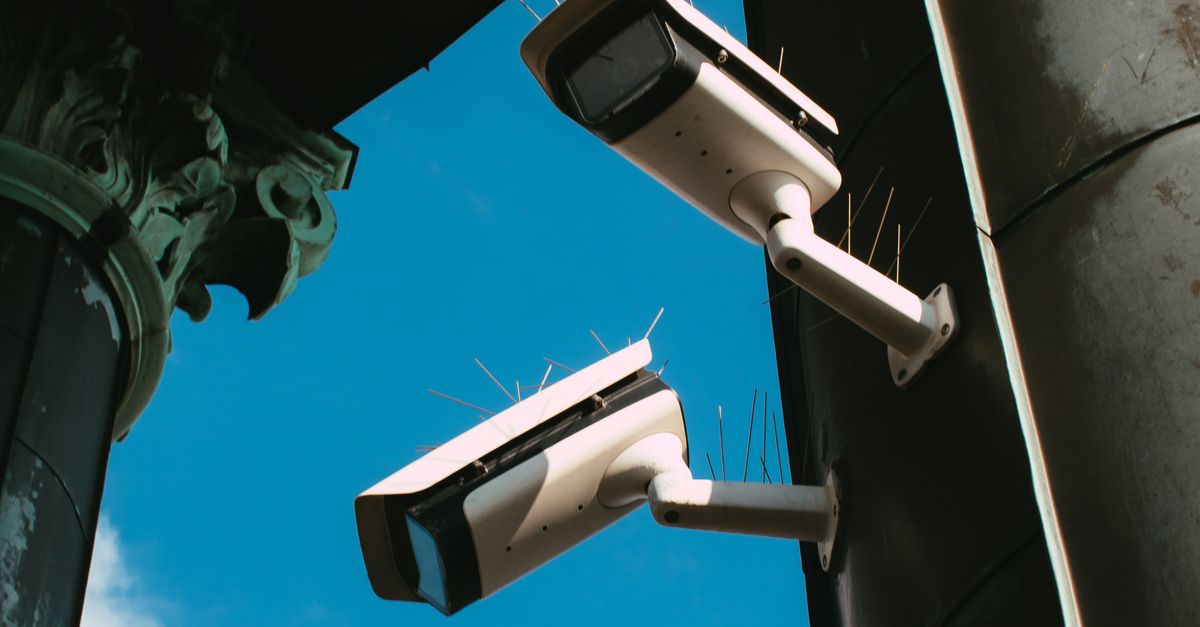
Common Mistakes to Avoid When Replacing CCTV Cameras
Table Of Contents
Misjudging Field of View
When replacing CCTV cameras, the field of view is a crucial factor that can greatly impact the effectiveness of the surveillance system. Many individuals underestimate how much area a camera can cover, leading to blind spots in critical areas. Different camera models offer varying field of view specifications, which can make a significant difference in the overall coverage. Understanding the specific requirements of the environment is essential for selecting the right camera to avoid gaps in monitoring.
Another common oversight is failing to account for the placement height and angle of the cameras, which can also affect their field of view. Installing cameras too high can limit their ability to capture detailed images of important features, such as facial recognition. Conversely, placing them at an incorrect angle might lead to missing vital areas entirely. Adequate planning and assessment of the surroundings are vital to ensure that the selected cameras provide comprehensive coverage without sacrificing quality.
Evaluating Coverage Needs
Assessing the coverage needs of your surveillance system is crucial. Effective CCTV installation must account for all critical areas that require monitoring. This includes entry points, driveways, and any blind spots that could compromise security. Additionally, consider the specific activities occurring in these zones. High-traffic areas may necessitate more detailed coverage compared to less frequented spaces.
The layout of the premises significantly influences camera placement. Taking measurements and creating a detailed map can aid in this process. By identifying where cameras need to be positioned, you can ensure that all areas of interest are covered. It's important to evaluate not only how many cameras are needed but also their specifications. Selecting the right type of camera for each location enhances overall effectiveness.
Not Considering Lighting Conditions
The effectiveness of CCTV cameras significantly diminishes in poorly lit environments. Many users overlook the importance of lighting conditions when selecting a camera model, assuming that all devices will perform adequately regardless of ambient light levels. Cameras equipped with advanced low-light capabilities or infrared technology can provide clearer images in darkness, but not all options on the market offer these features. Evaluating the specific lighting conditions of the area under surveillance is crucial for optimising performance.
Additionally, fluctuating lighting conditions, such as the transition from day to night, can affect surveillance quality. Cameras may struggle with glare or shadows, leading to missed details or compromised footage. It's essential to consider how varying light levels throughout the day will impact the camera's ability to capture clear, usable images. Selecting appropriate models designed for dynamic lighting environments can help mitigate these challenges and enhance overall security monitoring.
Adapting to Various Environments
Different environments present unique challenges that can significantly impact CCTV camera performance. For indoor settings, factors like light sources, reflections, and wall colours can affect image quality. Outdoor spaces require additional consideration due to changing weather conditions, ranging from heavy rain to bright sunlight. Selecting cameras designed for specific environments can enhance visibility and ensure effective surveillance.
Installation height and camera angle also play vital roles in adapting to these environments. In busy public areas, cameras should be mounted high enough to capture a comprehensive view while preventing tampering. In contrast, more targeted surveillance in confined spaces may benefit from lower installations. Understanding these nuances is essential to maximising the effectiveness of CCTV systems across a variety of settings.
Underestimating Storage Needs
When choosing new CCTV cameras, the amount of footage they will generate often gets overlooked. Different resolutions and frame rates significantly impact the total storage required. Higher-definition cameras capture more detail, but they also demand more space. Failing to account for the volume of data can lead to unexpected gaps in recorded footage when the storage limit is reached.
Calculating how long footage needs to be retained is another vital aspect. Businesses and individuals may have varying requirements based on legal obligations or personal preferences. By underestimating the necessary storage, users risk losing critical recorded events. Assessing both short and long-term storage solutions ensures that footage can be reviewed as needed, maintaining the reliability of surveillance systems.
Calculating Video Retention
When selecting CCTV systems, it is crucial to accurately assess the amount of video footage you will need to retain. Different industries have varying requirements depending on compliance regulations, business needs, and the specific situations they may face. For example, retail locations might need to keep footage for a short period due to the rapid turnover of incidents, while larger corporations or public spaces might require extended retention periods to investigate possible security breaches or incidents.
To effectively calculate video retention, consider both the recording resolution and the level of activity in the monitored area. Higher resolution footage demands more storage space, especially in high-traffic locations where numerous movements are recorded every minute. It can be beneficial to analyse past events to estimate how much storage will be necessary, ensuring that the CCTV system can maintain the required footage for the needed duration without interruptions or data loss.
FAQS
What is the importance of evaluating coverage needs when replacing CCTV cameras?
Evaluating coverage needs ensures that all critical areas are monitored effectively, preventing blind spots and enhancing security.
How can lighting conditions impact the performance of CCTV cameras?
Lighting conditions can significantly affect image quality; poor lighting may result in unclear footage, making it essential to choose cameras suitable for various lighting situations.
Why should I consider storage needs before replacing CCTV cameras?
Underestimating storage needs can lead to insufficient recording time, resulting in lost footage. It's essential to calculate the required storage based on your video retention policy.
What factors should I consider when adapting CCTV cameras to various environments?
Factors to consider include weather conditions, temperature variations, and potential obstacles that may affect camera placement and performance in different environments.
How can I avoid misjudging the field of view of my CCTV cameras?
To avoid misjudging field of view, assess the area to be monitored and choose cameras with the appropriate lens and specifications to ensure comprehensive coverage.
Related Links
Timeline for Upgrading Your CCTV System in PerthHow to Dispose of Old CCTV Cameras Responsibly
Enhancing Security Features: Replacing Legacy CCTV Cameras
Assessing Your Security Needs Before Camera Replacement
Strategies for Seamless Installation of New CCTV Cameras
Cost-Effective Solutions for Old CCTV Camera Replacement
A Comprehensive Guide to Selecting Replacement CCTV Cameras
Signs It’s Time to Upgrade Your Outdated CCTV Cameras
Best Practices for Replacing Old CCTV Cameras in Perth