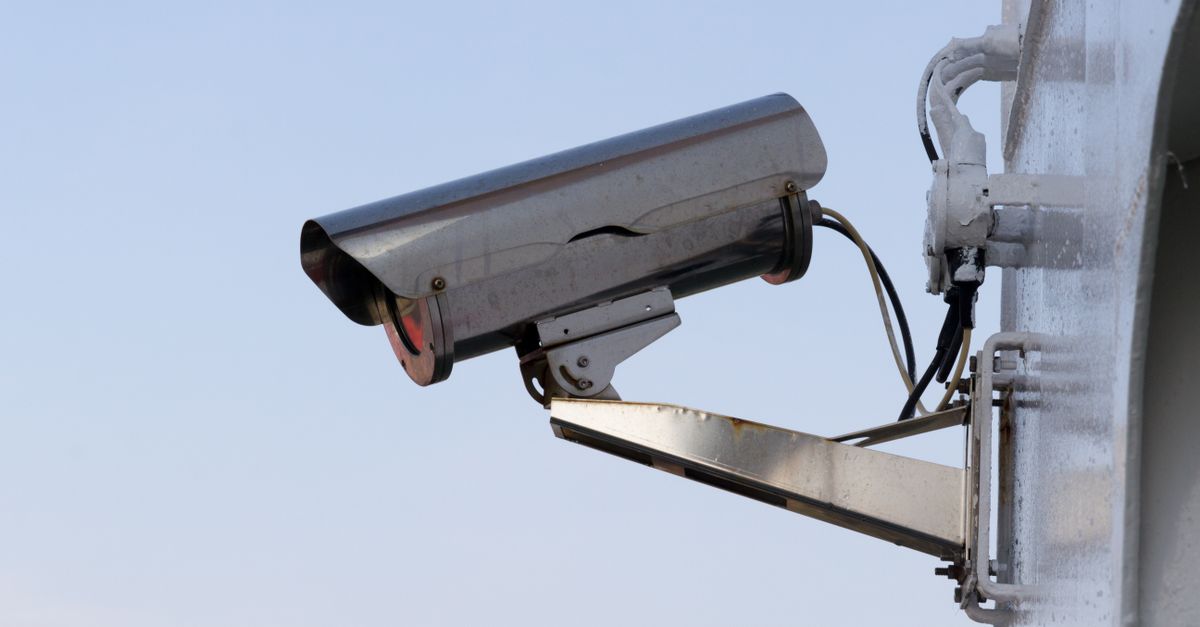
A Comprehensive Guide to Selecting Replacement CCTV Cameras
Table Of Contents
Budgeting for Your CCTV System
Establishing a budget is essential when considering a CCTV system. Costs can vary significantly depending on the type of cameras chosen, the features included, and any additional hardware or installation services required. It's important to have a clear understanding of your needs, whether you're aiming for basic surveillance or advanced systems with cutting-edge technology. By mapping out your priorities, you can allocate funds more effectively and avoid overspending on unnecessary features.
When budgeting, consider not just the initial purchase prices but also ongoing costs such as maintenance, storage solutions, and potential upgrades. Quality considerations should not be overlooked, as investing in reliable equipment can reduce long-term expenses associated with replacements and repairs. Different manufacturers may offer diverse price points, so a thorough comparison will help find a system that meets both budgetary requirements and functional needs.
Balancing Cost with Quality and Features
Finding the right balance between cost, quality, and features is crucial when selecting replacement CCTV cameras. While it might be tempting to opt for the least expensive option, cheaper models often compromise on critical features such as image resolution, build quality, and advanced functionalities. Investing in a camera that offers a better resolution and additional features like motion detection, remote access or smart analytics can enhance security and provide peace of mind.
Quality should not solely reflect in the price tag. Many mid-range options strike a sufficient balance, offering commendable performance without breaking the bank. Features such as night vision capability, weather resistance, and ease of installation should be considered alongside the price. Assessing the specific security needs of your premises will guide you in determining which features are essential and how much you should be willing to spend to achieve a well-rounded CCTV system.
The Role of Night Vision
Effective surveillance often hinges on the ability to capture clear images in low-light conditions. Night vision technology enhances the capabilities of CCTV cameras, ensuring they can monitor areas around the clock. Various options exist, each offering different levels of clarity and distance at which they can operate. For instance, infrared (IR) cameras illuminate a space with infrared light, making them suitable for total darkness. Other alternatives, such as low-light cameras, amplify existing ambient light to produce usable footage without additional illumination.
Selecting the appropriate night vision technology is crucial, particularly for environments with fluctuating light conditions. Users should consider factors such as the camera's effective range, the amount of available light, and specific monitoring needs. Some systems integrate both infrared and low-light capabilities, providing flexibility across different scenarios. This versatility ensures that whether in a dimly lit parking lot or a well-lit public space, the necessary surveillance goals are met efficiently.
Exploring Different Night Vision Technologies
Night vision technology plays a crucial role in the effectiveness of CCTV systems, especially in low-light conditions. The primary types include infrared (IR) and thermal imaging. Infrared cameras use LED lights to illuminate their field of view in darkness while capturing standard video. This allows for clear images even in complete absence of light. Thermal cameras, on the other hand, detect heat signatures emitted by objects and people, making them effective for monitoring in total darkness or obscured environments.
Each technology has its advantages and specific use cases. Infrared cameras are often more cost-effective and can provide colour images in normal lighting while switching to black and white in the dark. They are suitable for general surveillance needs. Thermal cameras excel when visibility is severely compromised. Their ability to see through fog, smoke, or dust makes them ideal for outdoor settings or areas where environmental conditions may vary. Choosing the right night vision technology depends on the specific requirements of the surveillance environment.
Weather Resistance and Durability
Selecting CCTV cameras that can withstand various environmental factors is essential for effective surveillance. In Australia, the diverse climate means that cameras may need to endure heat, rain, or even hail. This makes it vital to assess the weather resistance of any potential option. Look for models with a high IP rating, as this indicates their ability to repel dust and water. Cameras rated IP66 or higher are typically well-suited for outdoor use, providing robust protection against the elements.
Durability extends beyond just weatherproofing. Materials used in camera construction play a crucial role in their longevity. Cameras made from high-grade plastics or metals tend to offer better resistance to impacts and corrosion. Regular maintenance checks can also ensure that your CCTV system remains operational despite extreme conditions. Investing in durable equipment ultimately leads to fewer replacements and enhances the reliability of your surveillance efforts over time.
Assessing IP Ratings and Environmental Suitability
When selecting replacement CCTV cameras, attention to their Ingress Protection (IP) ratings is crucial for ensuring durability in various environments. An IP rating consists of two digits, with the first indicating protection against solid objects and the second against liquids. For Australian settings, where weather conditions can vary greatly, a camera with a higher IP rating, such as IP66 or IP67, may provide better resistance to dust and water, making it suitable for outdoor installations.
Understanding the specific environment where the CCTV system will be placed is equally important. For locations exposed to extreme temperatures or humidity levels, choosing cameras designed to withstand these conditions can significantly improve performance and longevity. Additionally, factors such as UV exposure or potential vandalism should also influence the decision-making process, reinforcing the significance of selecting a robust model tailored to the unique challenges of the intended installation site.
FAQS
What should I consider when budgeting for a replacement CCTV system?
When budgeting for a replacement CCTV system, consider the overall cost including equipment, installation, and ongoing maintenance. It's important to balance cost with quality and features to ensure the system meets your security needs without overspending.
How can I balance cost with quality and features when selecting CCTV cameras?
To balance cost with quality and features, assess the specific requirements of your security needs. Look for cameras that offer essential features like high resolution and reliable performance, and choose a brand known for quality products. Comparing different options and reading reviews can help you make an informed decision.
Why is night vision important in CCTV cameras?
Night vision is crucial for CCTV cameras as it allows for surveillance in low-light conditions, ensuring that your property is monitored around the clock. This feature is particularly important for outdoor cameras or areas that may be poorly lit at night.
What are the different night vision technologies used in CCTV cameras?
The most common night vision technologies include infrared (IR) and low-light or starlight technology. IR cameras use infrared light to capture images in total darkness, while low-light cameras can produce clear images in dim lighting without the need for IR.
How do I assess the weather resistance and durability of CCTV cameras?
To assess the weather resistance and durability of CCTV cameras, check their IP rating, which indicates their level of protection against dust and water ingress. Additionally, consider the materials used in the camera's construction to ensure they can withstand harsh environmental conditions.
Related Links
Cost-Effective Solutions for Old CCTV Camera ReplacementSigns It’s Time to Upgrade Your Outdated CCTV Cameras
Timeline for Upgrading Your CCTV System in Perth
Common Mistakes to Avoid When Replacing CCTV Cameras
How to Dispose of Old CCTV Cameras Responsibly
Enhancing Security Features: Replacing Legacy CCTV Cameras