The Role of Maintenance in Extending CCTV Lifespan
Table Of Contents
Power Supply and Connectivity Checks
Regular checks on power supply and connectivity are critical to maintain the functionality of CCTV systems. A consistent power supply ensures cameras operate continually, avoiding interruptions that could compromise security. Identifying power fluctuations or failure points can prevent potential outages. Moreover, ensuring that all connections and cables are intact protects against signal loss, which can result from wear and tear or environmental factors.
Monitoring these components not only safeguards the system but also extends its overall lifespan. Cables should be inspected for damage or corrosion, and connectors must be securely fastened. Proper grounding is vital to prevent issues stemming from electrical surges. Regular maintenance can help detect these problems early, providing opportunities to rectify them before they escalate into larger, costlier repairs.
Ensuring Consistent Performance
Regular monitoring and diagnostics are vital for maintaining optimal performance in CCTV systems. Routine checks on camera functionality, image clarity, and recording quality can help identify issues before they affect security operations. Problems can arise from various factors, including lens obstructions, dirt accumulation, or software glitches. Addressing these factors promptly ensures that the system operates at its full potential, providing reliable surveillance.
Another essential aspect is verifying the health of the storage devices associated with the CCTV system. Hard drives and cloud storage should be examined for any signs of deterioration or failure. Scheduled backups and data integrity checks can prevent loss of vital footage and ensure that recordings are available when needed. Implementing a consistent maintenance schedule is key to avoiding unexpected downtimes and preserving the effectiveness of the surveillance system.
Supporting Infrastructure and Mounting
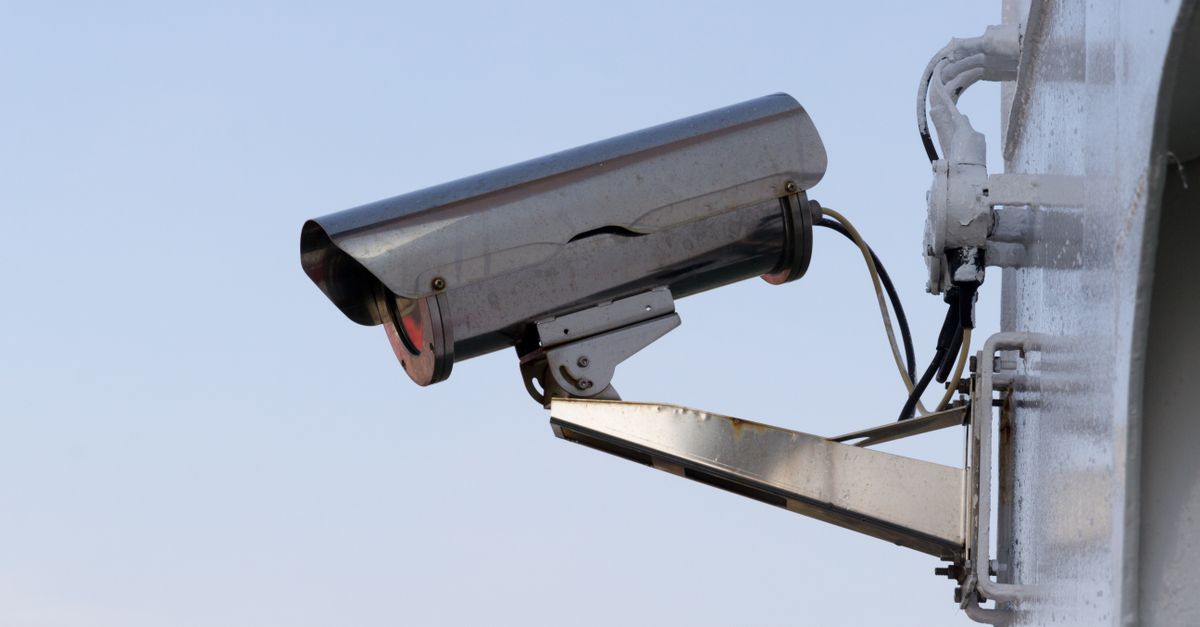
The effectiveness of CCTV systems relies heavily on their supporting infrastructure and mounting solutions. Properly installed mounts ensure that cameras are positioned for optimal coverage, minimising blind spots and maximising surveillance efficiency. During maintenance checks, it is crucial to inspect the stability of mounts and supports. Any signs of wear or looseness can affect camera performance and compromise security.
Additionally, environmental factors play a vital role in the longevity of mounting systems. Exposure to harsh weather conditions can cause deterioration of materials, leading to potential failure. Regular assessments should include evaluating the integrity of the installation site, ensuring that both the ground structure and mounting hardware can withstand the elements. This proactive approach enhances the overall resilience of the CCTV setup and helps maintain consistent monitoring capabilities.
Importance of Secure Mounting Solutions
Proper mounting of CCTV cameras significantly affects their operational effectiveness and longevity. Secure mounting solutions prevent misalignment and instability that can compromise both image quality and coverage. Inadequate support may expose cameras to environmental factors. Wind, rain, and even vandalism can lead to unnecessary setbacks. The right installation approach ensures that cameras remain focused on intended areas, maintaining security.
Moreover, the integrity of mounting hardware directly impacts the overall system reliability. Using quality materials designed for the local environment minimises the likelihood of corrosion or physical damage. Regular inspections of the mounting solutions also play a vital role in identifying wear and tear. Addressing these issues proactively can reduce the risk of camera failure and ultimately extend the system's lifespan.
Professional vs. DIY Maintenance
Maintaining CCTV systems can be approached in different ways, with some opting for professional services while others prefer a DIY approach. Professional maintenance typically ensures that experts with specialised knowledge handle intricate issues and provide a thorough service. They possess the tools and certifications required for complicated repairs and upgrades. This option often results in reliable and consistent performance, particularly in complex surveillance environments.
On the other hand, DIY maintenance offers a hands-on experience that can save costs and allow users to understand their systems better. Individuals with technical skills may find it rewarding to handle regular checks, such as cleaning cameras and inspecting cables. However, without expert knowledge, there is a risk of overlooking critical aspects that could lead to bigger issues. Weighing these factors is essential when deciding how to maintain a CCTV system most effectively.
Weighing the Pros and Cons
When considering professional maintenance for CCTV systems, the expertise brought in can significantly enhance the overall reliability and effectiveness of the cameras. Trained technicians are equipped with the necessary tools and knowledge to conduct thorough diagnostics and repairs that may be challenging for an untrained individual. They also stay updated on the latest technologies, ensuring that any maintenance performed aligns with current industry standards.
On the other hand, DIY maintenance can be a cost-effective option for those with a technical background and the necessary skills. Performing simple checks and minor repairs alone can save on labour costs. However, this approach carries risks, such as missing underlying issues that could escalate into more significant problems, ultimately affecting the system's performance. Balancing the potential savings with the risk of diminished functionality is essential for making an informed choice.
FAQS
How often should I conduct maintenance on my CCTV system?
It is recommended to conduct maintenance checks on your CCTV system at least twice a year, but more frequent inspections may be necessary depending on environmental factors and the specific demands of your surveillance needs.
What should I look for during a CCTV maintenance check?
During a maintenance check, you should inspect the power supply and connectivity, ensure that all cameras are functioning properly, check for secure mounting solutions, and verify that the supporting infrastructure is intact.
Can I perform maintenance on my CCTV system myself?
Yes, DIY maintenance is possible for basic checks such as cleaning lenses and ensuring cables are secure. However, for more complex issues or technical malfunctions, it is advisable to hire a professional to ensure proper servicing and avoid any potential damage.
What are the benefits of hiring a professional for CCTV maintenance?
Hiring a professional ensures that your system is thoroughly checked and maintained, as they have the expertise to identify and fix potential issues that may be overlooked by someone without technical knowledge. Professionals can also provide valuable advice on system upgrades and improvements.
How do environmental factors affect CCTV system maintenance?
Environmental factors such as weather conditions, dust, and debris can significantly impact the performance of CCTV systems. Regular maintenance helps mitigate these effects by ensuring that cameras remain clean, connections are secure, and that the equipment is protected from environmental damage.
Related Links
Common Maintenance Tasks for Optimal CCTV FunctionalityHow Regular Maintenance Enhances CCTV Performance
Developing a Routine Maintenance Schedule for CCTV Cameras
Innovative Solutions for Streamlining CCTV Maintenance
The Impact of Neglecting CCTV Maintenance on Security
Understanding the Cost Benefits of Regular CCTV Maintenance
Best Practices for Scheduling CCTV Maintenance Checks
Top Signs Your CCTV Camera Needs Maintenance