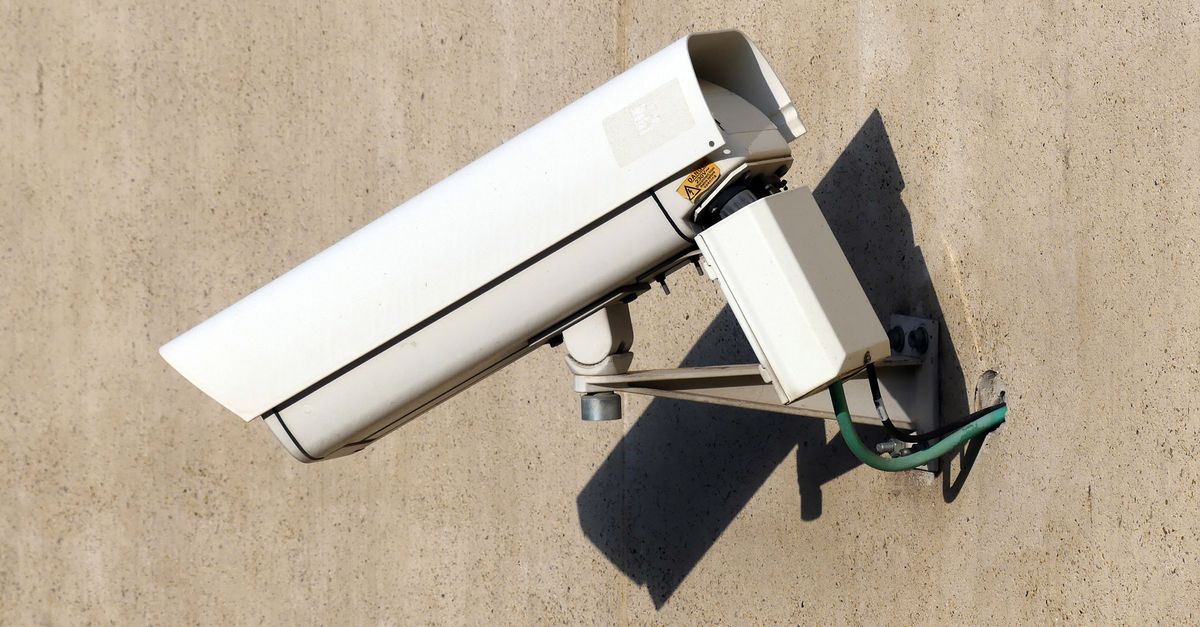
Innovative Solutions for Streamlining CCTV Maintenance
Table Of Contents
Scheduling and Planning Maintenance
An effective maintenance schedule is crucial for ensuring the longevity and reliability of CCTV systems. Regular checks can help identify potential issues before they escalate into major problems. Establishing a routine often includes daily, weekly, and monthly tasks tailored to the specific needs of each camera and system component. Creating checklists for these tasks ensures consistency and thoroughness, allowing maintenance staff to address any anomalies promptly.
Planning maintenance well in advance can minimise disruptions to surveillance activities. This involves coordinating with personnel and scheduling tasks during off-peak hours when the surveillance requirements are lower. Utilising software tools that allow for reminders and tracking completed maintenance tasks can enhance the efficiency of the process. By prioritising communication within the team, everyone stays informed about maintenance activities, which helps in sustaining optimal functionality and performance.
Creating an Effective Maintenance Calendar
An effective maintenance calendar is essential for maximising the longevity and performance of CCTV systems. It should be tailored to the unique requirements of each installation, taking into account factors like the location, type of equipment, and environmental conditions. Regular inspections and updates can prevent minor issues from developing into significant malfunctions. Scheduling maintenance during off-peak hours can minimise disruption and ensure that surveillance capabilities remain intact.
Incorporating a variety of maintenance tasks into the calendar can enhance overall system reliability. Routine checks, component replacements, and software updates should be included to create a comprehensive overview of responsibilities. Assigning specific responsibilities to team members ensures accountability and helps in streamlining the maintenance process. Periodic reviews of the calendar can also help in adjusting to emerging needs or changes in technology, maintaining an efficient and effective CCTV system.
Training Staff for Optimal CCTV Usage
Proper training of staff is essential for maximising the effectiveness of CCTV systems. Employees should become familiar with operational protocols and routine checks to ensure cameras function correctly. Regular training sessions that include hands-on experience and tutorials can help staff understand the technical aspects of the system. Familiarity with the equipment promotes confidence, enabling personnel to respond efficiently to potential issues.
In addition to operational training, staff should receive guidance on best practices for monitoring footage. This includes understanding when to escalate issues and identifying suspicious behaviour. Awareness of privacy regulations is also crucial for maintaining compliance while using surveillance technology. With comprehensive training, security personnel will be better equipped to utilise CCTV systems effectively, ultimately enhancing overall security measures.
Best Practices for Security Personnel
Proficient usage of CCTV systems is crucial for security personnel. Regularly reviewing footage can enhance situational awareness and assist in identifying patterns or suspicious activities. Staff should familiarise themselves with the specific functionalities of the equipment at their disposal. Understanding camera angles and accessibility can lead to better monitoring and quicker responses to incidents.
Continuous training to keep personnel updated on equipment and technology is essential. Workshops and practical sessions ensure that staff can operate the system effectively. Encouraging open communication among team members fosters an environment where individuals can share insights and experiences related to CCTV usage. This collaborative approach strengthens overall security measures and improves incidents response time.
Leveraging IoT for Improved Surveillance
The integration of Internet of Things (IoT) devices into surveillance systems enhances both functionality and efficiency. Smart cameras equipped with digital sensors can monitor specific areas in real-time, offering insights that traditional systems cannot. These advanced devices can automatically detect unusual activities and send alerts, allowing security personnel to respond swiftly. Data collected from these cameras can also be aggregated and analysed, leading to improved strategic planning and better resource allocation.
Adopting IoT technology enables seamless connectivity within the entire surveillance network. This interconnectedness allows for centralised management of multiple devices across various locations. Additionally, cloud storage solutions can be utilised to store footage securely, ensuring easy access and retrieval. As a result, companies can benefit from improved monitoring capabilities and a reduction in operational costs related to maintenance and storage. Enhanced visibility into security operations also fosters a proactive approach to incident management.
Integrating Internet of Things Devices
The integration of Internet of Things (IoT) devices enhances the efficiency of CCTV systems significantly. By utilizing intelligent sensors and devices, real-time data can be amassed and analysed, providing actionable insights for maintenance and performance evaluation. These devices can monitor system functionality, alerting operators to malfunctions or degradation in image quality. This proactive approach minimises downtime and ensures that surveillance systems function optimally, which is crucial for security operations.
Incorporating IoT technology enables remote management of surveillance systems. Operators can access feeds and diagnostic information through mobile applications or dedicated platforms, allowing for swift responses to issues or required adjustments. Furthermore, by tapping into cloud services, stored footage and data can be easily managed and retrieved from any location. This connectivity not only facilitates ongoing monitoring but also streamlines communication between security teams, promoting a cohesive approach to surveillance management.
FAQS
What is the importance of scheduling and planning maintenance for CCTV systems?
Scheduling and planning maintenance is crucial for ensuring that CCTV systems operate efficiently and effectively. Regular maintenance helps identify potential issues before they become significant problems, ensuring continuous surveillance coverage and reducing downtime.
How can I create an effective maintenance calendar for my CCTV system?
To create an effective maintenance calendar, assess the specific needs of your CCTV system, including the frequency of checks and updates required. Schedule regular inspections, cleaning, and software updates while also considering any seasonal factors that may affect camera performance.
Why is training staff essential for optimal CCTV usage?
Training staff is essential for optimal CCTV usage as it ensures that security personnel understand how to operate the equipment correctly, respond to incidents effectively, and make the most of the technology available, ultimately enhancing overall security management.
What are some best practices for security personnel when using CCTV systems?
Best practices for security personnel include familiarising themselves with the CCTV system’s features, regularly reviewing footage, maintaining clear communication with team members, and following protocols for incident response to ensure a quick and effective resolution.
How can IoT improve the maintenance of CCTV systems?
IoT can improve the maintenance of CCTV systems by enabling real-time monitoring, automated alerts for malfunctions, and remote diagnostics. This connectivity allows for proactive maintenance, reducing manual checks and ensuring systems are always functioning optimally.
Related Links
Developing a Routine Maintenance Schedule for CCTV CamerasThe Impact of Neglecting CCTV Maintenance on Security
Understanding the Cost Benefits of Regular CCTV Maintenance
Common Maintenance Tasks for Optimal CCTV Functionality
The Role of Maintenance in Extending CCTV Lifespan