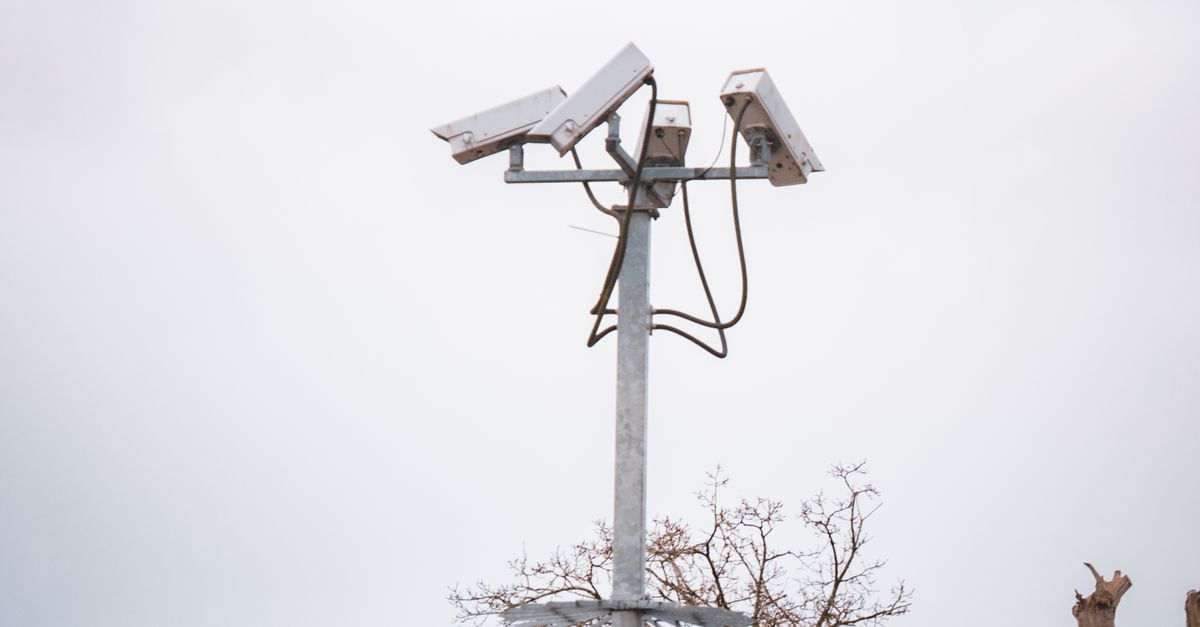
How Smart CCTV Systems Enhance Security in Perth Homes
Table Of Contents
Motion Detection Capabilities
Modern CCTV systems feature advanced motion detection capabilities designed to improve home security effectively. These systems utilise a combination of infrared sensors and software algorithms to accurately identify movement within their field of view. This technology allows users to receive real-time alerts on their smartphones or other devices, enabling immediate responses to potential threats. Enhanced motion detection can distinguish between human movement and other environmental factors, which helps in minimising unnecessary notifications.
Additionally, many smart cameras offer adjustable sensitivity settings. This feature allows homeowners to tailor the system to their specific needs and environments. For instance, a camera installed near a busy street may require different sensitivity settings compared to one situated in a quiet backyard. By fine-tuning these parameters, homeowners can ensure that they remain alert to significant activity while reducing the risk of being overwhelmed by false alarms.
Reducing False Alarms
Smart CCTV systems employ advanced algorithms to accurately differentiate between genuine threats and non-threatening movements. This capability significantly reduces the frequency of false alarms triggered by environmental factors such as passing animals, tree branches swaying in the wind, or car headlights. Enhanced motion detection technologies incorporate machine learning, allowing the cameras to adapt to their surroundings over time. By learning to recognise familiar objects and activities, these systems refine their alerts, ensuring that homeowners receive notifications that warrant attention.
Integrating smart features with user-friendly settings provides an additional layer of customisation. Homeowners can set specific detection zones and sensitivity levels, tailoring the system to their unique needs and circumstances. This personalised approach means that unnecessary alerts for routine occurrences can be minimised, allowing occupants to focus on genuine security concerns. Ultimately, a smart CCTV system not only protects a home but also enhances the overall peace of mind for residents, ensuring they stay informed without the stress of constant false alerts.
Privacy Considerations
The use of smart CCTV systems in residential areas raises important questions about privacy. Homeowners must be vigilant to ensure that their surveillance activities do not encroach on the rights of their neighbours. This is particularly relevant in tightly spaced suburbs where cameras may unintentionally capture footage of adjacent properties or public spaces. Striking a balance between security and respect for privacy is crucial in building trust within the community.
In Perth, the legal framework surrounding surveillance is shaped by both state laws and local guidelines. It is essential to understand these regulations to avoid potential legal implications. Homeowners should familiarise themselves with requirements concerning the installation and operation of CCTV systems. Ensuring that cameras are positioned only to monitor private property can help mitigate privacy concerns and comply with local laws.
Navigating Local Regulations in Perth
Understanding local laws is essential when considering the installation of smart CCTV systems. In Perth, regulations may vary across different councils. Homeowners must ensure compliance with specific requirements regarding camera placement and privacy concerns. These regulations are in place to protect both the property owner and their neighbours.
Consulting local council websites can provide guidance on relevant policies. It is also helpful to engage with community forums or local law enforcement to clarify any uncertainties. Adhering to these guidelines can prevent potential legal issues and foster a sense of trust within the community. With proper research, homeowners can enjoy enhanced security while adhering to established regulations.
Installation Process for Smart CCTV
The installation of smart CCTV systems can vary in complexity depending on the homeowner's preference and technical expertise. For those who decide to hire professionals, the process generally begins with an assessment of the property. Experts evaluate the layout, existing infrastructure, and specific security needs of the household. This informed approach ensures optimal camera placement for maximum coverage and effectiveness. Once the location is determined, the installation occurs, often involving the running of cables, mounting of cameras, and setup of the monitoring system.
Homeowners who are inclined towards a DIY approach will need to carefully consider several factors before proceeding. Selecting the right equipment is crucial; many systems come with detailed manuals that guide users through installation. Understanding the electrical requirements and any required network configurations is essential to avoid common pitfalls. Properly placing cameras, ensuring a reliable power source, and configuring the software can significantly enhance the system’s overall performance and reliability.
Professional vs. DIY Installation
Choosing between professional installation and a DIY approach for smart CCTV systems often revolves around skill level and comfort with technology. Professional installers bring expertise, ensuring the system is set up properly and optimally. They can handle the complexities of wiring and positioning for the best coverage. Many professionals also provide ongoing support, which can be beneficial for troubleshooting or upgrades in the future.
On the other hand, DIY installation offers flexibility and can save on costs. Homeowners with a knack for technology might find it rewarding to set up the system themselves. Numerous online resources and guides are available to aid in the process. However, without experience, some may end up facing challenges related to camera placement or app configuration, potentially leading to ineffective surveillance.
FAQS
What are the benefits of using smart CCTV systems for home security in Perth?
Smart CCTV systems enhance home security by providing real-time monitoring, motion detection, and the ability to view video feeds remotely, allowing homeowners to respond quickly to potential threats.
How do motion detection capabilities work in smart CCTV systems?
Motion detection in smart CCTV systems uses sensors to identify movement within a defined area. When motion is detected, the system can send alerts to homeowners and begin recording automatically.
Can smart CCTV systems reduce false alarms?
Yes, advanced smart CCTV systems are designed to differentiate between normal activity and potential threats, significantly reducing the occurrence of false alarms through features like advanced motion detection algorithms.
Are there privacy concerns associated with installing smart CCTV systems?
Yes, privacy concerns are important when installing smart CCTV systems. It's essential to ensure that cameras do not capture footage of public spaces or invade the privacy of neighbours.
What regulations should I be aware of when installing CCTV in Perth?
Homeowners in Perth must comply with local regulations regarding CCTV installation, including ensuring that cameras are placed appropriately and obtaining necessary permits if required.
Should I hire a professional for CCTV installation or attempt a DIY approach?
While DIY installation can be cost-effective, hiring a professional ensures that the system is installed correctly and optimally, maximising its effectiveness and helping to navigate any local regulations.
Related Links
Integrating Smart CCTV Systems with Home AutomationKey Features to Look for in Smart CCTV Cameras
Common Misconceptions About Smart CCTV Systems
Ensuring Privacy and Data Protection with Smart CCTV
Expert Tips for a Seamless Transition to Smart CCTV
Understanding Cloud Storage for Smart CCTV Footage
Comparing Smart CCTV Systems with Traditional Cameras
Benefits of Upgrading to Smart CCTV Systems in Perth
The Cost-Effectiveness of Switching to Smart CCTV Technology