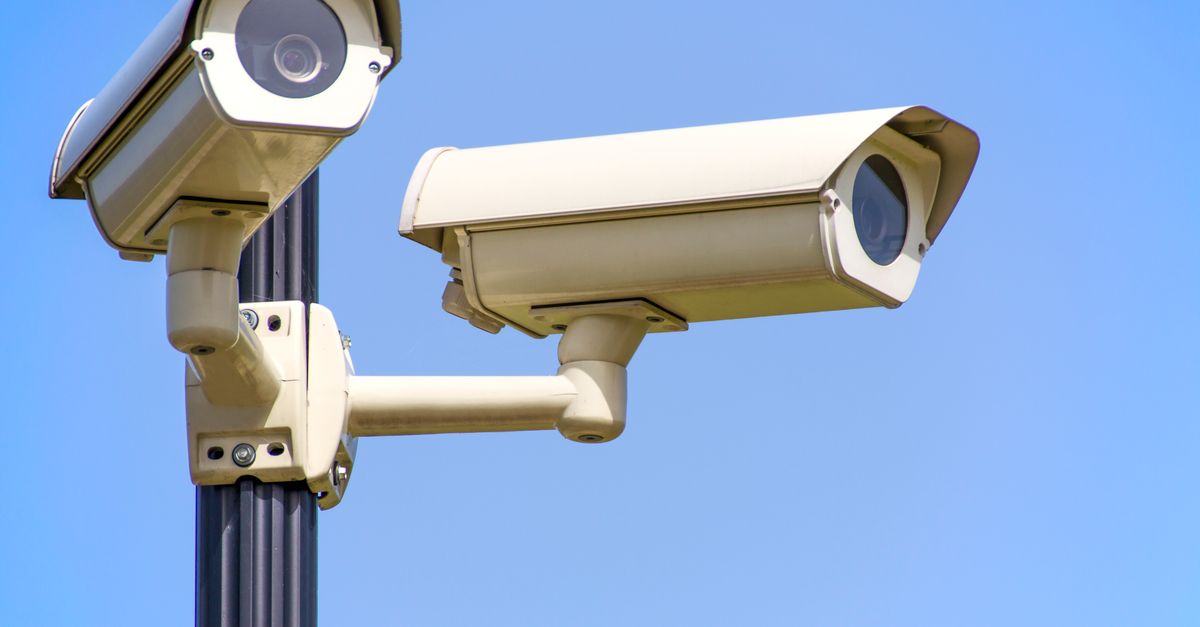
Ensuring Privacy and Data Protection with Smart CCTV
Table Of Contents
Encryption and Data Security Measures
Data security remains a priority for the effective deployment of smart CCTV systems. Implementing robust encryption techniques helps to safeguard video footage from unauthorised access. This process ensures that any data captured by the cameras is encoded in a way that makes it unreadable without the correct decryption keys. As a result, even if network breaches occur, the information remains protected. Measures such as end-to-end encryption can further enhance security, particularly in cloud-based storage solutions, by ensuring that footage is encrypted before it leaves the device.
Protection extends beyond mere encryption; comprehensive security protocols are essential. Regular updates and patches prevent vulnerabilities from being exploited by malicious actors. Additionally, frameworks should be established to assess and strengthen the overall security posture of the CCTV system continuously. This proactive approach creates an environment where data integrity is prioritised, ensuring that sensitive information remains confidential and secure against potential threats.
How Encryption Protects Your Video Footage
The implementation of encryption serves as a fundamental safeguard for video footage captured by smart CCTV systems. By converting the video data into a format that is unreadable without the proper decryption key, encryption ensures that even if data is intercepted during transmission or stored improperly, unauthorised individuals cannot access the contents. This level of protection is crucial in maintaining the privacy of individuals and ensuring that sensitive information remains confidential.
Furthermore, encryption technology can be tailored to meet specific security requirements, providing flexibility in its application. Strong algorithms can be employed to enhance security, making it significantly challenging for cybercriminals to breach the system. Regular updates and patches are essential to keep the encryption methods robust against emerging threats. This proactive approach to data security not only protects the footage itself but also fortifies the overall integrity of the security system.
User Access and Control Management
Effective management of user access is crucial in maintaining the integrity of smart CCTV systems. Each user should have access tailored to their specific role, ensuring that individuals can only view or control the components relevant to their responsibilities. This targeted access minimises the risk of unauthorised tampering with footage or system settings. The implementation of user authentication methods, including strong passwords and, where possible, multi-factor authentication, adds an additional layer of security.
Integrating role-based access controls offers significant advantages. These controls allow administrators to define what actions can be performed by different users, from basic viewing to advanced configuration settings. By setting clear permissions, organisations can better protect their data and monitor user actions more effectively. Regular audits of user access and control settings further enhance security, helping to identify any anomalies or suspicious activity before they can lead to a breach.
Implementing Role-Based Access Controls
Establishing effective user access management is essential for safeguarding sensitive video data. Role-based access controls (RBAC) provide a framework for defining user privileges based on their job responsibilities. By assigning specific roles, organisations can ensure that only authorised personnel can view or manage the footage. This limits potential misuse and reinforces the overall security architecture of the CCTV system.
To implement RBAC successfully, organisations must first identify the various user roles within their operations. This involves assessing the specific needs of different departments and determining which level of access is appropriate for each role. Regular audits and updates to these roles are necessary to adapt to changes within the organisation, ensuring that access permissions remain relevant and secure. Additionally, training employees on the importance of protecting sensitive data reinforces the effectiveness of role-based controls.
Remote Monitoring and Its Implications
The rise of smart CCTV systems has made remote monitoring a cornerstone of modern security practices. This technology allows users to access live video feeds and reviewed footage from virtually anywhere, offering significant advantages for surveillance and incident response. However, while remote access enhances convenience, it also raises critical concerns regarding data security and privacy. The potential for unauthorised access or hacking increases as systems become more interconnected, necessitating an emphasis on robust security protocols.
To mitigate the risks associated with remote monitoring, organisations must adopt stringent security measures. Ensuring that communication channels are protected through encryption is essential. Additionally, employing advanced authentication methods can further safeguard against intrusions, while regular software updates help maintain system integrity. Awareness of the implications of remote monitoring will guide businesses in balancing accessibility with the imperative of protecting sensitive data.
Ensuring Secure Remote Access Protocols
Remote access to smart CCTV systems offers convenience but also introduces potential security vulnerabilities. It is crucial to adopt strong protocols that safeguard against unauthorised access. Implementing secure socket layer (SSL) encryption helps protect data transmitted between devices. Additional measures such as two-factor authentication provide an extra layer of security. Regular software updates should be conducted to patch any vulnerabilities and ensure the system remains resilient against potential threats.
Users should also take care when configuring settings for remote access. Limiting access to specific users reduces the risk of breaches. Regular audits of access logs can help identify any suspicious activity. Employing virtual private networks (VPNs) for remote connections adds an extra barrier, further enhancing privacy. Establishing clear guidelines for remote access management is essential to maintain the integrity of video footage and ensure compliance with data protection regulations.
FAQS
What is the importance of encryption in smart CCTV systems?
Encryption is crucial in smart CCTV systems as it protects video footage from unauthorised access and ensures that data transmitted over the internet is secure. This means that even if the data is intercepted, it cannot be viewed without the proper decryption keys.
How can I ensure that my CCTV footage is securely stored?
To ensure secure storage of CCTV footage, use encrypted storage solutions and implement regular backups. Additionally, ensure that physical security measures are in place to protect the storage devices from theft or damage.
What are role-based access controls and why are they important?
Role-based access controls (RBAC) limit access to CCTV footage and system controls based on the user's role within an organisation. This helps prevent unauthorised access and ensures that only individuals with the necessary permissions can view or manage the footage.
What measures can I take to facilitate secure remote access to my CCTV system?
To facilitate secure remote access, use strong, unique passwords, enable two-factor authentication, and ensure that the remote access protocols you are using are secure and up-to-date. Regularly review access logs to monitor for any suspicious activity.
How often should I review my CCTV security settings?
It is recommended to review your CCTV security settings at least quarterly, or whenever there are changes in personnel or system upgrades. Regular reviews help ensure that your privacy and data protection measures remain effective against evolving threats.
Related Links
Common Misconceptions About Smart CCTV SystemsExpert Tips for a Seamless Transition to Smart CCTV
Understanding Cloud Storage for Smart CCTV Footage
Comparing Smart CCTV Systems with Traditional Cameras
Benefits of Upgrading to Smart CCTV Systems in Perth
The Cost-Effectiveness of Switching to Smart CCTV Technology
Integrating Smart CCTV Systems with Home Automation