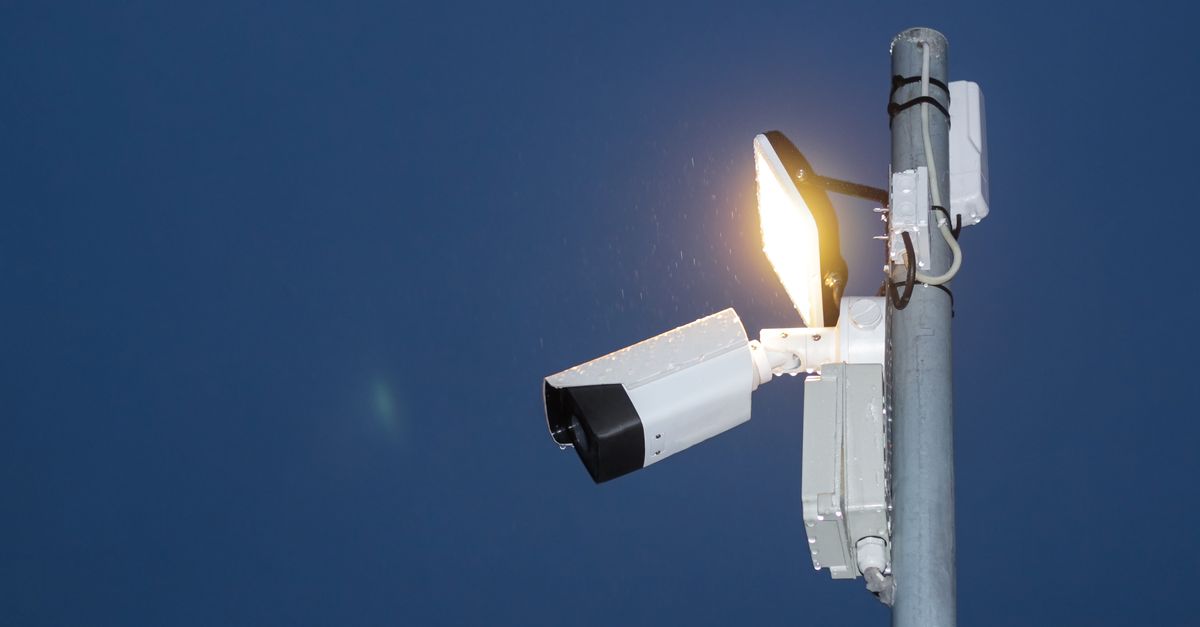
Understanding Cable Types for CCTV Installations in Perth
Table Of Contents
Distance Considerations for Cable Types
When planning CCTV installations, the distance between cameras and the recording equipment plays a critical role in determining the appropriate cable type. Each cable type has its limitations regarding maximum lengths before signal degradation occurs. For example, coaxial cables can typically run up to 300 metres without significant loss, while Ethernet cables, especially those adhering to the Cat6 standard, are best kept within 100 metres to ensure optimal performance.
Considering these distances is essential to maintaining clear image quality and reliable connection for surveillance systems. Longer runs might necessitate the use of repeaters or signal boosters, which can add complexity and cost to the installation. Choosing the right cable type and adhering to recommended distance limitations helps ensure that the surveillance system operates efficiently and effectively across Perth's diverse landscapes.
Optimal Cable Length for Effective Surveillance
The performance of CCTV systems heavily relies on the appropriate cable length used in the installation process. Excessively long runs can lead to signal degradation, influencing video clarity and overall functionality. In general, coaxial cables can effectively transmit signals up to 250 metres without losing quality, while twisted pair cables, such as those used in Ethernet systems, are often limited to around 100 metres. It is essential to measure distances accurately to ensure optimal performance for monitoring purposes.
Shorter cable lengths generally facilitate better signal integrity and reliability. This is especially important in areas where high-resolution surveillance is required, such as monitoring entrances or sensitive locations. If distances exceed recommended lengths, consider the use of signal boosters or repeaters to maintain clarity and performance. Focusing on maintaining an efficient length will enhance the effectiveness of surveillance efforts.
Choosing the Right Connectors
When installing CCTV systems, selecting appropriate connectors is crucial for ensuring a reliable and effective surveillance setup. The type of connector used can affect signal integrity and overall performance. For coaxial cables, RCA or BNC connectors are the most common choices. These connectors facilitate secure connections for high-quality video transmission. In contrast, twisted pair cables typically utilise RJ45 connectors, which support Ethernet communications necessary for IP cameras. Understanding the specific cable type helps in determining the right connector, reducing the risk of connectivity issues.
Additionally, it's paramount to consider factors such as ease of installation and future compatibility when choosing connectors. Weatherproof connectors may be necessary for outdoor installations, protecting against moisture and environmental wear. Investing in high-quality connectors can lead to improved longevity and reduced maintenance costs over time. For installations in various locations, ensuring connectors fit snugly can prevent accidental disconnections or signal loss. The right choice enhances not only the performance of the CCTV system but also contributes to the overall reliability of surveillance operations.
Types of Connectors for Different Cable Types
Selecting the right connectors is vital for ensuring a reliable and efficient CCTV system. Coaxial cables typically use BNC connectors, which provide a secure connection and are easy to install. In contrast, twisted pair cables, such as those used for Ethernet, employ RJ45 connectors. These connectors are designed for high-speed data transmission and support Power over Ethernet (PoE), making them an ideal choice for modern IP camera installations.
For fibre optic cables, SC or LC connectors are commonly employed. These connectors facilitate high-speed, long-distance data transfer without loss of signal integrity. It is important to match connectors with the specific cable types to maintain optimal performance. Using the correct connectors not only enhances the functionality of the CCTV system but also ensures longevity, minimising the need for frequent maintenance or replacement.
Environmental Considerations for Cable Installation
When installing CCTV systems, the harsh climate of Perth can significantly impact the choice and longevity of cable materials. High levels of heat and occasional heavy rain necessitate the use of cables specifically designed to withstand such environmental challenges. Cables with UV-resistant jackets are essential to prevent degradation from sun exposure. Additionally, moisture-resistant properties are vital to ensure reliable performance in rainy conditions.
In coastal areas, the salt spray can be particularly damaging to standard cables. Choosing cables with marine-grade insulation can mitigate this risk and extend their lifespan. It is also important to consider potential interference from nearby electrical sources, which can be more prevalent in densely built environments. Shielded cables can provide additional protection against electromagnetic interference, ensuring consistent video quality from your surveillance system.
Selecting Cables Suitable for Perth’s Climate
Perth’s climate presents unique challenges for CCTV cable installations. The high temperatures and intense UV radiation can degrade materials rapidly, making it essential to select cables designed for outdoor use. Cables with UV-resistant insulation are crucial to prevent breakdown and ensure longevity. Additionally, considering the possibility of heavy rainfall during winter months, using cables with water-resistant properties can help mitigate moisture-related issues.
Proper insulation and shielding are further important factors to consider. Cables should not only be able to withstand the elements but also avoid interference caused by electrical and radio frequency sources common in urban environments. Opting for cables with a sturdy outer jacket can offer protection against physical damage while ensuring signal integrity over the distance required for effective surveillance.
FAQS
What are the different types of cables used in CCTV installations?
The most common types of cables used in CCTV installations include coaxial cables, twisted pair cables (like Cat5e or Cat6), and fibre optic cables. Each type serves different purposes based on installation requirements and distance considerations.
How does cable length affect CCTV performance?
Cable length can significantly impact CCTV performance. For instance, coaxial cables can effectively transmit signals over longer distances, while twisted pair cables have a maximum length of around 100 metres for optimal performance. Exceeding these lengths can lead to signal degradation.
What connectors are best for CCTV cables?
The choice of connectors largely depends on the type of cable being used. Common connectors include BNC connectors for coaxial cables and RJ45 connectors for twisted pair cables. It’s essential to use the appropriate connectors to ensure a secure and reliable connection.
Are there specific environmental factors to consider for CCTV cable installation in Perth?
Yes, in Perth, it’s crucial to consider the local climate, which can include high temperatures and humidity. Selecting cables that are UV-resistant and can withstand temperature variations is essential for ensuring long-lasting performance.
Can I use standard cables for outdoor CCTV installations in Perth?
While standard cables may be suitable for indoor use, it’s advisable to use cables specifically rated for outdoor use for installations exposed to the elements. These cables are typically designed to resist moisture, UV rays, and temperature fluctuations, ensuring better durability and performance.
Related Links
Best Practices for Running Cable in Residential SettingsMinimising Signal Loss in Long-Distance CCTV Cabling
Comparing Wired vs Wireless Connectivity Options
Importance of Cable Management in CCTV Setup
Selecting the Right Ethernet Cables for CCTV Systems
Power Supply Considerations for CCTV Cameras
Troubleshooting Wiring Issues During Installation