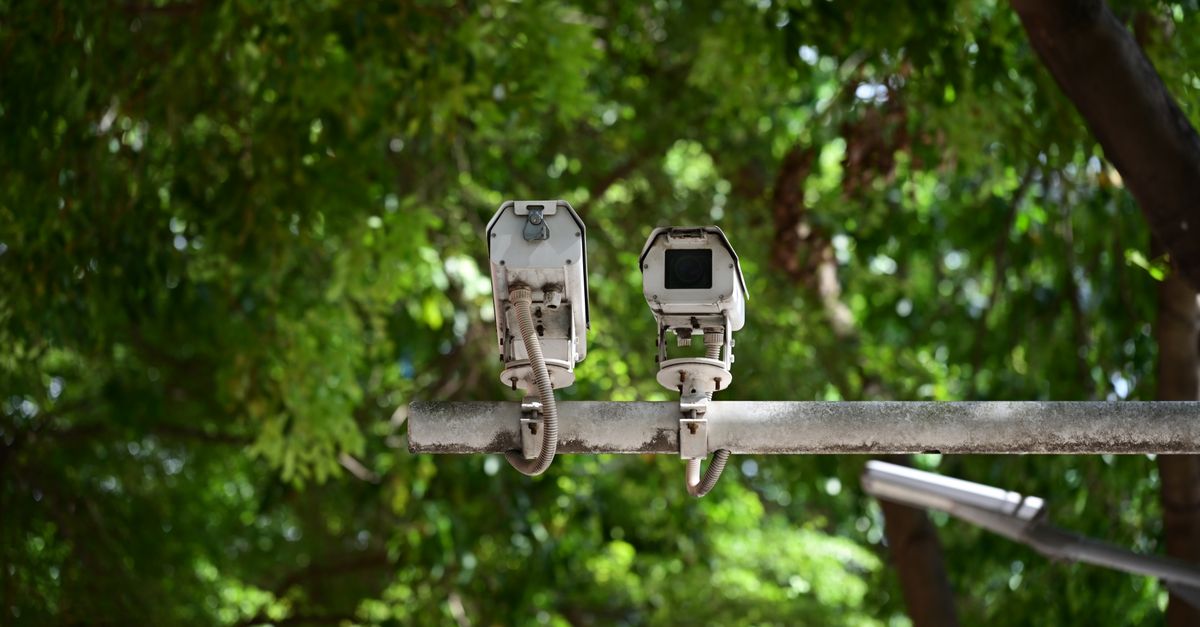
The Role of PTZ Cameras in Active Surveillance Strategies
Table Of Contents
Overcoming Challenges in Surveillance
Surveillance systems often face numerous challenges that can impede their effectiveness. Environmental factors, such as variable lighting conditions and adverse weather, can significantly impact the clarity of footage from traditional cameras. The need for adaptability in different scenarios becomes crucial, necessitating technologies that can maintain performance across a range of conditions. PTZ (pan-tilt-zoom) cameras offer the flexibility to adjust their position and focus, allowing operators to zoom in on areas of interest or pan across expansive landscapes, which enhances overall coverage.
Another challenge lies in the management and analysis of surveillance data. The sheer volume of footage generated can overwhelm security personnel, making it difficult to identify potential threats in real time. Integrating advanced analytics with PTZ cameras can help alleviate this burden. Features such as motion detection and automated tracking can assist in identifying suspicious activities, allowing for quicker responses. This capability not only optimises monitoring efforts but also improves overall security strategies, making the deployment of PTZ cameras a vital option in active surveillance operations.
Addressing Common Limitations of PTZ Cameras
PTZ cameras, despite their versatility, encounter several inherent limitations that can impact their performance in surveillance applications. One significant challenge lies in their reliance on precise control. Operators must skillfully manoeuvre the camera to capture critical events, which can lead to missed opportunities if alerts are not promptly addressed. Additionally, the pan, tilt, and zoom functions can create blind spots, particularly during rapid movements or when the field of view is adjusted, resulting in gaps in surveillance coverage.
The effectiveness of PTZ cameras is also influenced by environmental conditions. Adverse weather, such as heavy rain or fog, can distort video quality and reduce the cameras' ability to capture clear images. Furthermore, existing lighting conditions play a significant role in the overall visibility of the monitored area. Low-light environments often challenge the cameras' capabilities, necessitating supplemental lighting solutions to enhance image clarity. Addressing these challenges requires thoughtful integration of technology and careful planning to optimise surveillance performance.
The Future of PTZ Technology
Advancements in technology continue to shape the capabilities of PTZ cameras, leading to enhanced functionalities that promise to improve surveillance strategies significantly. Innovations such as AI-driven analytics, facial recognition, and object tracking are being integrated to provide more intelligent monitoring solutions. These features enable security personnel to focus on critical events rather than sifting through hours of footage. Additionally, improvements in image quality, including higher resolutions and low-light performance, ensure clearer visuals under various conditions, thereby increasing operational effectiveness.
The implementation of cloud technology is also set to revolutionise how PTZ cameras are used in active surveillance. With cloud storage, users can access real-time data from anywhere, allowing for more responsive security management. Integration with IoT devices creates a seamless network of surveillance and alerts, improving overall situational awareness. As advancements continue, the potential for remote operation and automation will further enhance the appeal of PTZ solutions, making them indispensable in a range of sectors, from urban security to private property monitoring.
Innovations Shaping Surveillance Solutions
Recent advancements in artificial intelligence and machine learning are transforming the capabilities of surveillance systems, particularly PTZ cameras. These innovations allow for real-time threat detection and enhanced tracking accuracy. Intelligent video analysis enables these cameras to distinguish between various types of movement and behaviour. This results in a significant reduction of false positives while providing actionable insights to security teams.
Another area of innovation is the integration of PTZ cameras with cloud-based platforms. This connectivity allows for remote monitoring and management of surveillance feeds from anywhere in the world. Furthermore, the ability to store and analyse data in the cloud enhances the processing power and flexibility of surveillance networks. As a consequence, organisations can optimise their security strategies based on comprehensive data analytics.
Assessing the Cost-Effectiveness of PTZ Cameras
When evaluating the cost-effectiveness of PTZ cameras, it is essential to consider both the initial investment and the long-term benefits they provide. The versatility of these cameras allows for comprehensive monitoring of large areas, which can reduce the number of required units. This capability translates into savings on installation and maintenance costs. Additionally, PTZ cameras are equipped with advanced features like high-resolution imaging and remote control, enhancing their functionality and overall value.
Furthermore, the potential for PTZ cameras to prevent theft and vandalism can lead to significant financial savings. By deterring criminal activity, businesses and institutions can reduce losses associated with damage or theft. Insurance premiums may decrease as well due to the decreased risks associated with enhanced surveillance. As such, the overall return on investment becomes clearer when assessing the broader implications of implementing PTZ technology in security strategies.
Evaluating Return on Investment
Evaluating the return on investment (ROI) for PTZ cameras entails analysing both direct and indirect benefits gained from their implementation. Purchase costs, installation expenses, and maintenance must be considered alongside the potential reduction in theft, vandalism, and associated losses. The efficiency of PTZ cameras can lead to improved security response times and enhanced monitoring capabilities. Businesses that invest in this technology often find that the decreased occurrence of incidents results in significant financial savings over time.
Moreover, the ability to monitor expansive areas with fewer cameras can further justify the upfront expenditure. PTZ cameras' flexibility allows for comprehensive surveillance coverage, which may eliminate the need for additional systems in some cases. Long-term savings can also come from lower insurance premiums due to improved security measures. When all factors are considered, organisations can achieve a clearer understanding of the overall value of integrating PTZ cameras into their surveillance strategies.
FAQS
What are PTZ cameras and how do they function in surveillance?
PTZ cameras, or Pan-Tilt-Zoom cameras, are surveillance cameras that allow for remote control of the camera's movement and zoom level. This enables users to focus on specific areas of interest and track moving objects effectively.
What are some common limitations of PTZ cameras in surveillance?
Common limitations of PTZ cameras include their susceptibility to blind spots when panning or tilting, potential loss of focus on static areas while tracking moving subjects, and challenges in low-light conditions without proper IR illumination.
How is PTZ camera technology evolving for future surveillance needs?
The future of PTZ camera technology is being shaped by advancements such as improved image resolution, enhanced low-light performance, and the integration of artificial intelligence for smarter tracking and analytics.
What innovations are currently shaping surveillance solutions involving PTZ cameras?
Innovations include the incorporation of 4K video resolution, advanced analytics for motion detection, and the use of cloud-based systems for remote access and monitoring, all of which enhance the effectiveness of PTZ cameras in surveillance.
How can I assess the cost-effectiveness of implementing PTZ cameras in my security system?
To evaluate the cost-effectiveness of PTZ cameras, consider factors such as initial investment, ongoing maintenance costs, the technology’s lifespan, and the potential return on investment through reduced incidents and improved security coverage.
Related Links
Integrating PTZ Cameras with Your Existing CCTV SystemComparing PTZ Cameras to Other CCTV Options in Perth
Common Applications for PTZ Cameras in Perth Businesses
Advanced Zoom Capabilities of PTZ Cameras Explained
Understanding the Control Mechanisms of PTZ Cameras
Best Practices for Positioning PTZ Cameras for Maximum Coverage
Key Features to Look for in PTZ Cameras
Advantages of Using PTZ Cameras for Security Surveillance
How to Choose the Right PTZ Camera for Your Perth Property