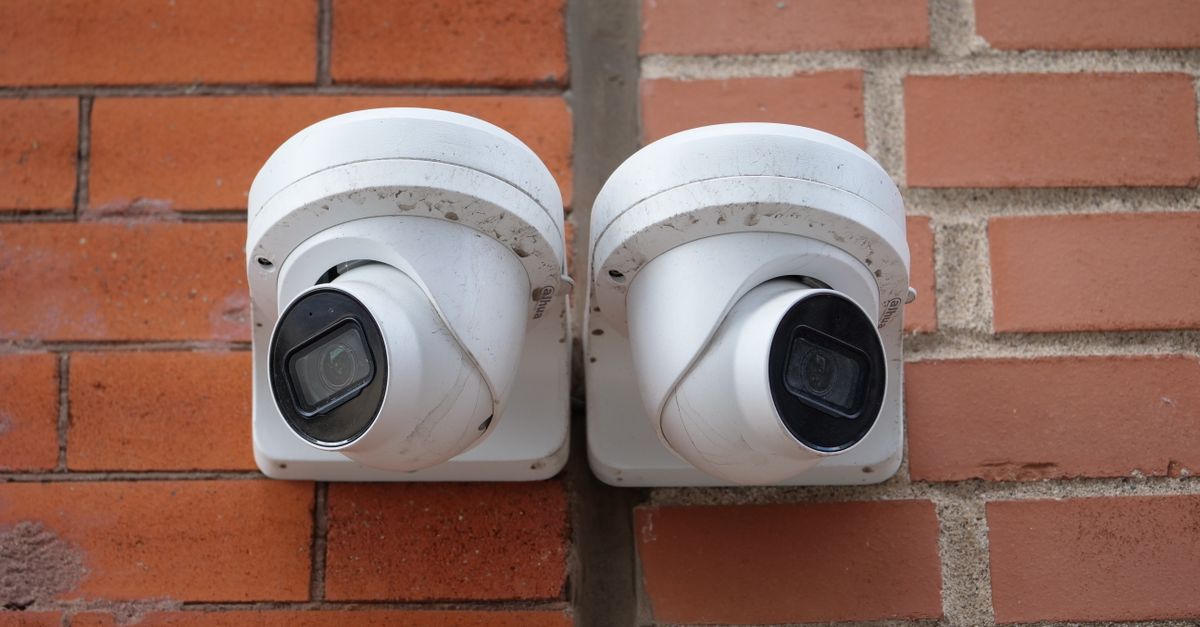
Real-time Monitoring: Validating CCTV Functionality
Table Of Contents
Benefits of Remote Monitoring Solutions
Remote monitoring solutions have transformed the way organisations approach security management. The ability to access real-time footage from CCTV cameras enhances situational awareness. Security personnel can respond promptly to incidents, mitigating potential threats before they escalate. Additionally, these systems enable seamless management of multiple locations from a single interface, optimising resource allocation.
Flexibility is a significant advantage that remote monitoring offers. Stakeholders can monitor their premises from virtually anywhere using mobile devices or computers. This capability ensures constant supervision, fostering a heightened sense of security. Furthermore, the integration of advanced analytics features can lead to more informed decision-making based on observed patterns and behaviours across monitored sites.
Flexibility and Control from Any Location
Remote monitoring solutions provide users with unmatched flexibility when it comes to accessing their CCTV systems. Individuals can view live feeds and recorded footage from any smartphone, tablet, or computer, ensuring they maintain oversight even when away from their primary location. This capability proves invaluable for business owners managing multiple sites or homeowners wanting reassurance during periods of absence. The ease of access allows users to respond to incidents in real time, enhancing security measures effectively.
Additionally, the ability to control camera angles, zoom in on specific areas, and adjust settings remotely brings a new level of convenience. Users can tailor their surveillance approach based on immediate needs without being tied to a physical location. This level of control not only streamlines monitoring efforts but also fosters proactive security measures, allowing individuals to act swiftly and effectively in potential security breaches.
Integrating CCTV with Other Security Measures
CCTV systems can enhance security when used alongside other technologies. By integrating video surveillance with alarm systems, access control, and motion sensors, a layered approach to security is created. This interplay allows for real-time alerts and instant responses to security breaches, ultimately increasing the effectiveness of overall monitoring. When these systems communicate with each other, CCTV can provide visual verification of alarms or alerts triggered by other security devices.
Combining CCTV with smart technologies can further extend capabilities. Cloud-based solutions enable remote access to livestream feeds and recorded footage, which ensures that users can monitor their premises from anywhere. In addition, integrating analytics software can enhance surveillance by identifying patterns and detecting unusual behaviour, reducing the burden on security personnel. The result is a comprehensive security system that not only deters crime but also provides valuable insights into the security landscape.
Creating a Comprehensive Security System
Integrating CCTV with other security measures enhances overall protection and creates a robust safeguarding network. When combined with access control systems, alarms, and motion detectors, CCTV can provide a multi-layered approach to security. Each component can fulfil specific roles, and together they contribute to a cohesive and effective security strategy. Such integration not only aids in real-time monitoring but also improves incident response times by allowing for coordinated actions across different systems.
A comprehensive security system goes beyond mere surveillance; it entails a thorough assessment of potential vulnerabilities and an understanding of how various solutions can address them. Regular maintenance and timely updates of hardware and software are essential to ensure all components operate optimally. This holistic approach not only deters criminal activity but also instils confidence among occupants, fostering a sense of safety and security within the premises.
Legal Considerations for CCTV Monitoring
Implementing CCTV monitoring systems requires a thorough understanding of applicable privacy laws and regulations. In Australia, the Privacy Act 1988 governs the collection, use, and disclosure of personal information, including images captured by surveillance cameras. Businesses and organisations must ensure that their use of CCTV complies with these regulations, which may entail taking steps to inform the public about the presence of cameras through signage or notices. Organisations also need to implement policies for data retention and access, ensuring that recordings are not kept longer than necessary.
When considering the legal implications of CCTV monitoring, it is crucial to balance security interests with individuals' rights to privacy. Different states and territories in Australia might have additional laws governing surveillance, so comprehensive knowledge of local regulations is essential. Failure to adhere to these legal requirements can lead to significant penalties and damage to reputation. Conducting regular audits of CCTV practices can help maintain compliance and mitigate potential legal risks associated with the improper use of surveillance technologies.
Understanding Privacy Laws and Regulations
CCTV monitoring in Australia is subject to a range of privacy laws and regulations aimed at protecting individuals’ rights. The Privacy Act 1988 plays a significant role in this context, outlining how personal information should be handled and ensuring that individuals are informed about their data being collected. Specific guidelines dictate when and how CCTV footage can be recorded, stored, and accessed. Businesses and organisations must remain compliant with these regulations to avoid potential breaches and penalties.
It's essential for organizations to implement clear policies regarding the use of CCTV systems. These policies should detail the purpose of surveillance, inform employees and the public about cameras in operation, and ensure footage is used strictly for intended security purposes. Failure to adhere to these requirements not only risks legal challenges but also damages trust between the entity and the community it serves. Understanding these legal frameworks ensures responsible use of technology while safeguarding individual privacy rights.
FAQS
What are the main benefits of real-time monitoring for CCTV systems?
Real-time monitoring enhances security by providing immediate access to live footage, allowing for quicker response to incidents, reducing the risk of theft or damage, and enabling remote management of security systems from any location.
How can I control my CCTV system remotely?
You can control your CCTV system remotely through mobile apps or web-based platforms that are compatible with your system. These tools allow you to view live footage, receive alerts, and adjust settings from anywhere with internet access.
Can CCTV systems integrate with other security measures?
Yes, CCTV systems can be integrated with various security measures such as alarm systems, access control systems, and motion detectors to create a more comprehensive security system that provides enhanced protection.
What should I consider regarding privacy laws when monitoring with CCTV?
It’s important to understand local privacy laws and regulations regarding CCTV monitoring, including where cameras can be placed, how footage can be used, and notifying individuals that they may be recorded. Always ensure compliance to avoid legal issues.
How can I ensure the functionality of my CCTV system in real-time?
Regular maintenance checks, system updates, and testing features like remote access and recording capabilities are essential to ensure the functionality of your CCTV system in real-time. Additionally, investing in reliable monitoring software can help validate its performance.
Related Links
Importance of Testing CCTV Cameras in Diverse EnvironmentsUnderstanding Common Quality Assurance Standards for CCTV
Comprehensive Guide to Post-Installation CCTV Evaluation
Strategies for Identifying Issues During CCTV Testing
Methods for Conducting Effective CCTV Quality Assessments
Evaluating CCTV System Performance After Installation
Common Testing Techniques for CCTV Camera Systems
Best Practices for Quality Assurance in CCTV Installations
Ensuring Optimal Performance Through Rigorous CCTV Testing