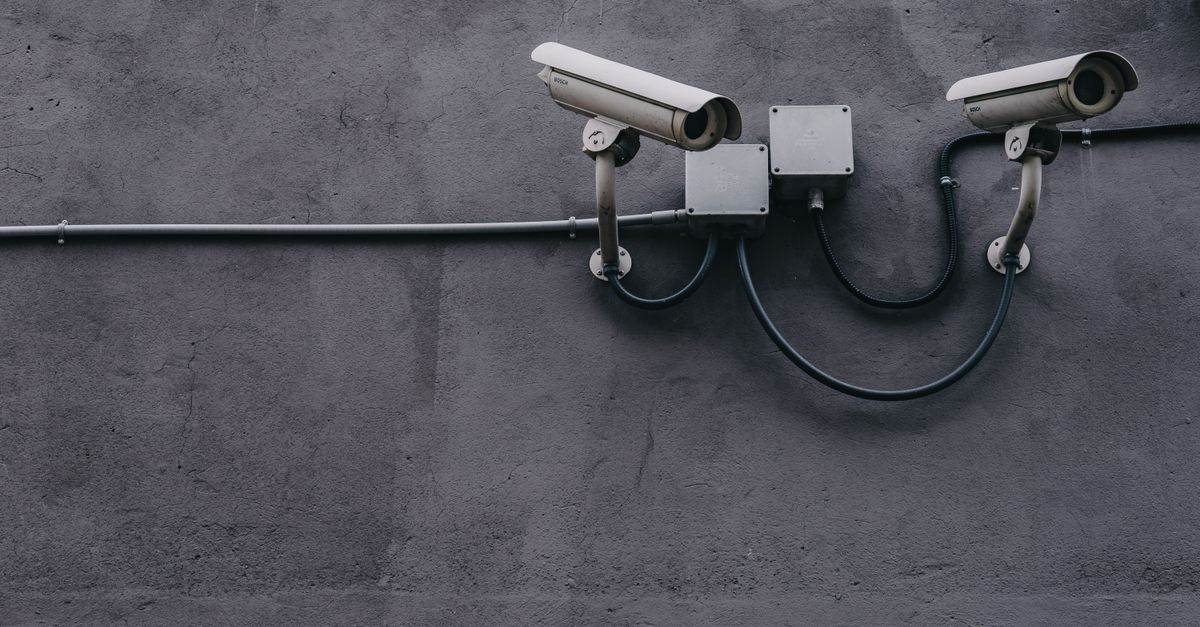
Key Settings for Optimal CCTV Surveillance Performance
Table Of Contents
Setting Up Motion Detection
Motion detection can significantly enhance the efficacy of CCTV systems by minimizing unnecessary alerts. Customizing sensitivity levels is crucial for achieving accurate notifications. If the sensitivity is set too high, the system may respond to minor movements like foliage rustling or pets wandering, leading to alert fatigue. Conversely, if set too low, genuine security breaches might go unnoticed. Finding the right balance involves adjusting the parameters and conducting tests to observe how the system responds to various conditions.
This setup requires careful attention to the camera's environment. Placing the camera in areas with minimal obstructions and avoiding direct sunlight can improve detection accuracy. Additionally, utilizing features such as zone masking allows users to ignore specific areas within the camera's field of view, further refining the motion detection functionality. Regularly reviewing and tweaking these settings as seasons change or as environmental factors shift ensures optimal performance throughout the year.
Customising sensitivity levels for accurate alerts
Tuning the sensitivity levels of motion detection allows for a tailored surveillance experience. Different environments present unique challenges, so adjusting the settings based on factors like lighting conditions and movement frequency is crucial. For instance, areas with a lot of foliage may trigger unnecessary alerts due to branches swaying in the wind. Conversely, a bare setting where movement is infrequent may require higher sensitivity to ensure all activity is captured.
Most CCTV systems offer adjustable sensitivity settings, enabling users to find the right balance for their specific needs. It's advisable to start with mid-range sensitivity, then incrementally test lower or higher settings based on the level of unwanted alerts received. Regularly reviewing and fine-tuning these settings helps maintain an efficient surveillance system, reducing false alarms while ensuring genuine events are reported promptly.
Network Setup for IP Cameras
For effective operation, IP cameras rely heavily on a stable and robust network infrastructure. The choice of router, network switches, and cabling can significantly influence the performance of the surveillance system. It is essential to ensure that the connection is wired whenever possible, as wired connections typically offer lower latency and higher bandwidth compared to wireless setups. When deploying multiple cameras, the network bandwidth must be assessed to avoid congestion. A network that struggles with bandwidth can lead to degraded video quality and lag in real-time monitoring.
The configuration of IP cameras within the network also plays a crucial role. Assigning static IP addresses can simplify management and help avoid conflicts that may arise from DHCP assignments. Additionally, network security measures must be implemented to protect camera feeds from potential hacking attempts. Setting up a dedicated VLAN for security devices can enhance security and ensure the surveillance network operates independently from other network traffic. Configuring Quality of Service (QoS) settings can prioritise video streams, ensuring that critical surveillance data is transmitted without interruption.
Importance of bandwidth and connectivity
The performance of IP cameras heavily relies on an uninterrupted and robust network connection. Insufficient bandwidth can lead to lagging video feeds, reduced image quality, or even total disconnection from the surveillance system. High-definition cameras demand more data for streaming, which increases the necessity for adequate upload speed. When planning a CCTV installation, it's essential to consider both wired and wireless options. Wired connections generally provide more consistent reliability than wireless, where factors such as distance from the router and physical obstructions can influence performance.
Connectivity is also vital for remote access and monitoring. Users expect to view real-time footage from their devices regardless of location. A stable internet connection allows seamless live streaming and intuitive control of camera settings from smartphones or computers. Regular network maintenance and bandwidth assessment are important to ensure optimal performance. Additionally, employing quality networking equipment, such as routers and switches, can enhance stability and reduce the risk of disruptions, ensuring that the surveillance system operates effectively at all times.
Utilising Storage Solutions
Effective management of video footage is crucial for maintaining an efficient CCTV system. Selecting the right storage solution can significantly enhance the performance and reliability of surveillance. Options include local storage through hard drives or network-attached storage devices and cloud solutions which offer off-site backup and increased accessibility. It is important to assess the required storage capacity based on the number of cameras, resolution, and expected retention time for footage.
Regularly reviewing and managing storage solutions ensures that outdated or unnecessary footage does not consume space. Implementing a clear policy for footage retention can aid in this process. Setting automatic deletion schedules for old recordings based on legal requirements and specific security needs keeps storage optimised. Moreover, periodically checking the health of storage devices can prevent potential data loss and ensure that the CCTV system operates smoothly.
Best practices for managing footage retention
Effective management of footage retention is crucial in any surveillance system. Establishing a clear retention policy helps in deciding how long to keep recorded footage based on legal requirements or organisational needs. Regularly review and adjust these policies to ensure compliance with regulations and to optimise storage usage. This proactive approach can prevent unnecessarily filling up storage space with outdated footage.
Implementing automated deletion schedules can further enhance footage management. Set systems to delete the oldest recordings automatically once new footage is recorded, aligning with the retention policies. Keeping crucial footage for an adequate period ensures that essential evidence is available when needed. Consistently archiving important clips separately also supports maintaining a streamlined system while safeguarding critical data.
FAQS
How can I adjust the motion detection settings on my CCTV system?
You can typically adjust motion detection settings through your CCTV system’s software interface. Look for options related to motion detection sensitivity and define specific areas where motion should be detected to reduce false alerts.
What factors should I consider when setting the sensitivity levels for motion detection?
Consider the environment where the cameras are installed, such as the presence of moving objects like trees or vehicles. It's important to strike a balance between capturing relevant motion and avoiding unnecessary alerts caused by non-significant movements.
Why is network setup important for IP cameras?
A good network setup ensures that your IP cameras have sufficient bandwidth and stable connectivity, which is essential for high-quality video streaming and reliable performance. Poor network conditions can lead to video lag or loss of footage.
How do I determine the appropriate bandwidth for my CCTV system?
You can determine the necessary bandwidth by calculating the total bitrate of all cameras in your system. Each camera's bitrate can usually be found in its settings. Ensure that your network can handle the cumulative bitrate without causing interruptions.
What are the best practices for managing footage retention in CCTV systems?
Best practices include defining a clear retention policy based on the importance of the footage, regularly reviewing and deleting old footage, and considering cloud storage options for backups. Ensure that your storage solution has adequate capacity for your needs.
Related Links
Quick Guide to Configuring Motion Detection on CCTV CamerasHow to Set Up Your CCTV Camera's Network Connection
Understanding Camera Settings for Ideal Night Vision
How to Adjust Field of View for Your CCTV Cameras
Best Practices for Multi-Camera Configuration
Tips for Setting Up Remote Access to Your CCTV System
Beginner's Guide to CCTV Camera System Configuration
Advanced Configuration Techniques for Enhanced CCTV Functionality
Essential Steps for Configuring Your CCTV System in Perth