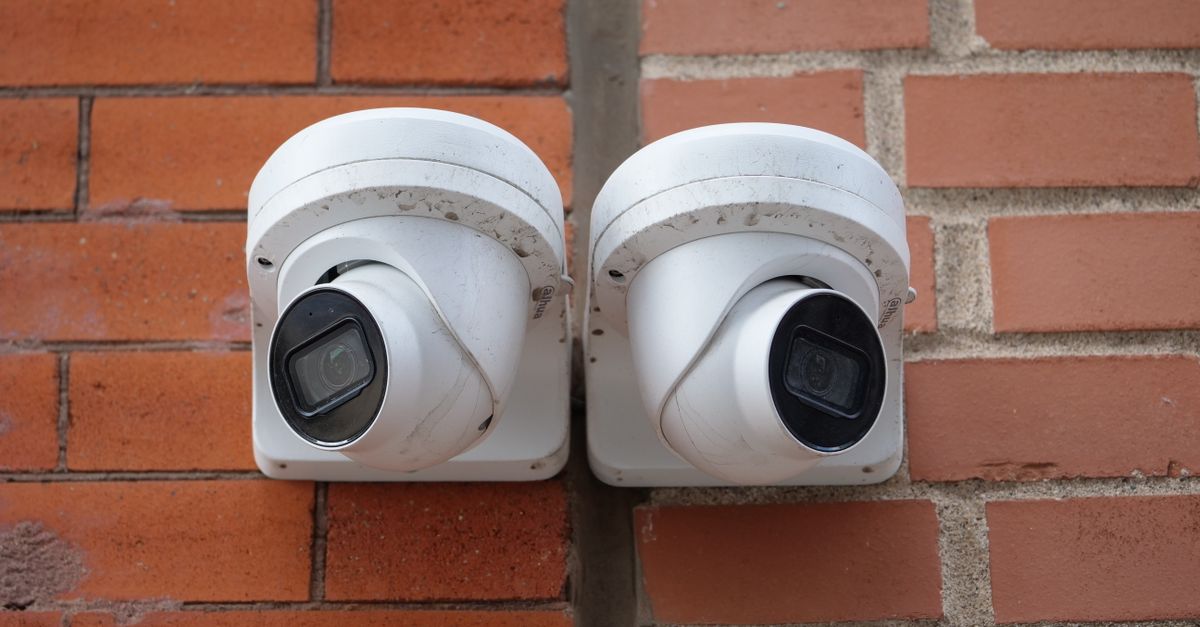
Best Practices for Securing Your Wireless CCTV Network
Table Of Contents
Segregating Your Network
Creating a dedicated network for your wireless CCTV systems is a critical step toward enhancing security. By isolating your CCTV devices from other network traffic, you reduce the risk of unauthorised access to both the cameras and the recorded footage. This segregation ensures that even if an attacker gains entry to your broader network, they will not easily access the CCTV devices.
In addition to improving security, a dedicated network can help optimise the performance of your surveillance systems. Minimising interference from unrelated devices allows your cameras to operate effectively, ensuring high-quality video feeds and reliable recording capabilities. Overall, leveraging a segregated network fosters a more secure and efficient environment for your surveillance infrastructure.
Benefits of a Dedicated Network for CCTV
Implementing a dedicated network for CCTV systems significantly enhances overall security. By isolating CCTV cameras and related devices from other network traffic, the risk of unauthorized access diminishes. This arrangement prevents interference from unrelated devices and reduces the chance of bandwidth saturation, ensuring that surveillance footage remains clear and uninterrupted.
Furthermore, a dedicated network allows for tailored security configurations specifically designed for surveillance purposes. Administrators can enforce stricter access controls and monitor network activity more effectively. This specialised setup not only optimises performance but also simplifies troubleshooting and maintenance, creating a more efficient monitoring environment overall.
Monitoring Network Traffic
Regularly monitoring network traffic is essential for maintaining the security of your wireless CCTV system. This process involves analysing data packets that traverse your network to identify any unusual activities. By keeping an eye on the bandwidth usage and patterns, you can quickly detect anomalies that may indicate unauthorised access attempts or potential vulnerabilities.
Several tools are available to assist in monitoring network traffic, with some specifically designed for security applications. Network intrusion detection systems (NIDS) can offer real-time alerts for suspicious activities. Additionally, software solutions can provide detailed insights into the types of devices connected to your network, helping to ensure that only authorised cameras and equipment are operational. Implementing these tools enhances the overall security posture of your wireless CCTV network.
Tools for Detecting Unauthorised Access
Effective surveillance of a wireless CCTV network hinges on the right detection tools. Intrusion detection systems (IDS) can monitor network traffic for suspicious activity. These systems can identify abnormal patterns that may indicate unauthorized access attempts. Many IDS tools also provide alerts, enabling a swift response to potential breaches.
Another valuable tool is network monitoring software, which tracks all devices connected to the network. Such software can help identify devices that should not be present, flagging abnormalities in real time. Regular audits using this software can further enhance security by ensuring that only authorised devices have access to the CCTV network.
Physical Security Measures
Securing the physical components of your CCTV system is essential for preventing tampering and ensuring reliable monitoring. Install cameras in locations that are out of reach or difficult to access. Consider using tamper-resistant mounts and enclosures that deter vandalism. Additionally, ensure that all cables are secured and hidden to reduce the risk of cutting or disconnection. This precaution helps protect the integrity of both the cameras and the overall system.
Regularly assessing the environment surrounding your CCTV cameras is also crucial. Lighting conditions can impact visibility, so install adequate lighting in areas monitored by cameras. Surveillance should cover not only the intended areas but also potential blind spots. Conduct routine checks on the physical state of each camera, ensuring there is no obstruction that could affect visibility or damage the equipment. These steps help maintain a robust surveillance setup that upholds security standards.
Protecting Your CCTV Cameras from Tampering
Ensuring the physical security of CCTV cameras is essential for maintaining the integrity of your surveillance system. Cameras should be installed in locations that are not easily accessible to the public. Utilising mounting brackets that are tamper-resistant adds an extra layer of protection. Additionally, placing cameras at a height that is out of reach can deter potential tampering by making them less accessible.
Regular inspections of camera housing and mounting equipment will help detect any signs of tampering early. Using weatherproof and durable enclosures also contributes significantly to safeguarding cameras from vandalism and environmental factors. Implementing secure storage of DVRs and other recording equipment further prevents unauthorised access, ensuring that both surveillance footage and hardware remain protected.
FAQS
Why should I segregate my CCTV network from my main network?
Segregating your CCTV network helps enhance security by isolating sensitive surveillance data from other devices, reducing the risk of unauthorised access and potential breaches.
What are the benefits of using a dedicated network for CCTV?
A dedicated network for CCTV ensures better performance, reduces latency, and enhances security by limiting access to only those devices that need to connect to the surveillance system.
How can I monitor network traffic for my CCTV system?
You can monitor network traffic using specialised tools like network monitoring software that can track data flow, detect anomalies, and alert you to any unusual activity or unauthorised access attempts.
What tools are recommended for detecting unauthorised access to my CCTV network?
Tools such as intrusion detection systems (IDS), network scanning software, and real-time monitoring applications can help you identify and respond to unauthorised access on your CCTV network.
What physical security measures can I implement to protect my CCTV cameras from tampering?
To protect your CCTV cameras, consider installing them in secure locations, using tamper-resistant mounts, enclosing them in protective housing, and regularly checking for physical signs of tampering or damage.
Related Links
Factors Influencing the Performance of Wireless CCTV CamerasInstallation Tips for Wireless CCTV Cameras in Outdoor Settings
Comparing Wireless CCTV Cameras to Traditional Wired Systems
Common Myths About Wireless Cameras Debunked
Wireless CCTV Cameras: A Guide to Coverage and Range
The Impact of Wireless Technology on CCTV Efficiency
Top Features to Look for in Wireless CCTV Cameras